
Financial Planning Tips for Starting an Indoor Playground Business
Introduction
Opening an indoor playground can be an exciting business opportunity, particularly for entrepreneurs interested in family entertainment and recreational activities. However, creating an attractive facility requires more than choosing colorful equipment and finding a suitable building. A successful project depends on careful financial planning, realistic budgeting, and a clear understanding of operating expenses.
Whether an entrepreneur is launching a small play center or expanding an established entertainment facility, financial decisions influence almost every stage of the project. From property selection and equipment purchases to staffing and marketing, each investment should support the business’s long-term objectives.
Start With a Clear Business Concept
Before estimating costs, define the type of indoor playground you want to operate. A compact play area for toddlers will have different financial requirements from a large family entertainment center featuring climbing structures, interactive attractions, party rooms, and trampoline activities.
Consider the target audience, expected visitor capacity, available floor space, and local demand. Research competing entertainment venues to understand their pricing, services, and attraction choices.
Your concept should also establish whether the facility will focus on:
- Younger children and toddler activities
- Multi-age family entertainment
- School groups and organized visits
- Birthday parties and private events
- Active recreation and adventure attractions
A clearly defined concept makes it easier to estimate equipment requirements and avoid unnecessary purchases.
Prepare a Detailed Startup Budget
A startup budget should cover every major expense involved in preparing the facility for its first visitors. Entrepreneurs sometimes concentrate heavily on equipment costs while overlooking property preparation, installation, staff training, and opening promotions.
A practical budget should include the following categories:
Property and renovation: Consider rent, deposits, flooring, lighting, electrical work, ventilation, washrooms, reception areas, and interior improvements.
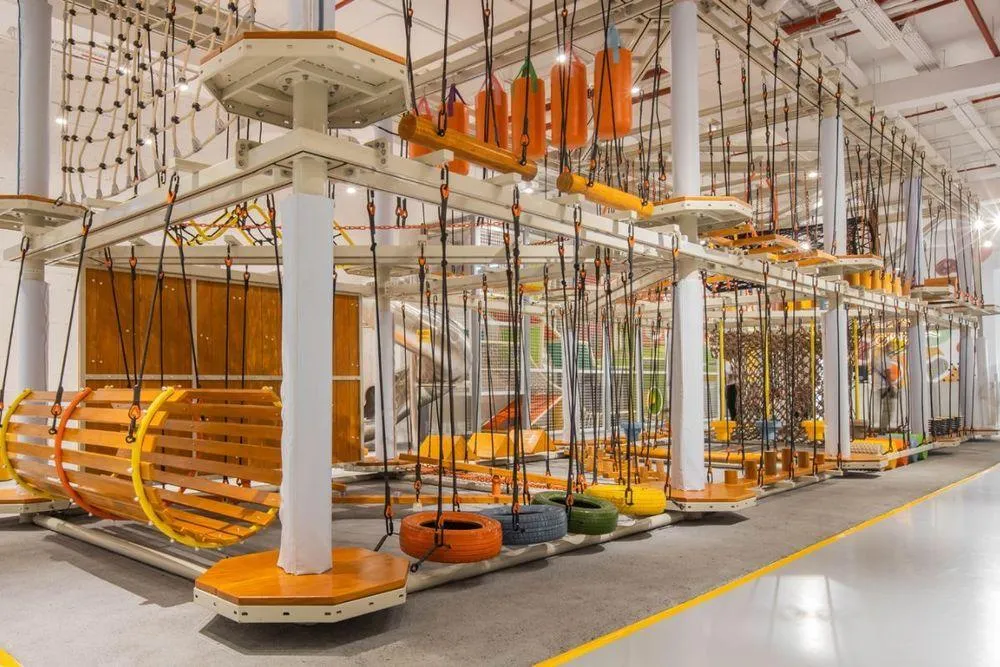
Play equipment: Include the cost of structures, slides, climbing activities, soft-play components, interactive attractions, and any additional recreation zones.
Installation and transportation: Allow for delivery, assembly, technical assistance, and any site preparation required before installation.
Licensing and compliance: Research applicable local requirements, inspections, insurance, and other administrative expenses.
Furniture and technology: Budget for reception desks, seating, lockers, point-of-sale systems, booking software, and security equipment.
Opening marketing: Set aside funds for branding, signage, photography, social media promotion, and introductory offers.
Keeping these expenses in separate categories provides a clearer picture of the investment required.
Choose Equipment According to Business Priorities
Equipment selection has a direct effect on both the initial investment and the visitor experience. Buying the largest available attraction package does not automatically create a better business. The right combination should reflect the target audience, available space, and expected demand.
For example, a venue serving younger children may prioritize soft-play structures, small slides, ball pits, and sensory activities. A facility targeting older children and families may benefit from climbing challenges, obstacle courses, and more active attractions.
When comparing suppliers, consider product quality, materials, customization options, installation requirements, and available support. Working with an experienced Indoor Playground Manufacturer can help business owners explore equipment options that suit their facility concept and budget.
Request detailed quotations and compare what each proposal includes. Two packages with similar prices may differ in transportation, installation, customization, or other important details. Understanding these differences helps prevent unexpected expenses.
Evaluate the Financial Impact of Trampoline Attractions
Trampoline activities can introduce a more active entertainment option and help create a distinct experience within a family entertainment facility. However, they also require careful financial consideration.
Before investing in a trampoline zone, assess the available floor area, ceiling height, visitor demand, operating requirements, and necessary safety arrangements. Consider how the attraction will fit into the wider facility rather than treating it as an isolated purchase.
Entrepreneurs should also evaluate the costs associated with staff supervision, routine inspections, maintenance, and operational procedures.
Discussing suitable configurations with a Trampoline Park Equipment Manufacturer can help business owners understand different equipment possibilities and plan an attraction area around their available space.
The objective is to select an installation that supports the overall business model without placing unnecessary pressure on the startup budget.
Calculate Monthly Operating Expenses
A business may have enough capital to open its doors but still struggle if its monthly expenses are underestimated. Operating costs should be calculated before finalizing the investment plan.
Common recurring expenses include:
- Property rent or mortgage payments
- Employee salaries and training
- Electricity, water, and internet
- Cleaning products and hygiene services
- Equipment inspections and maintenance
- Insurance and administrative expenses
- Advertising and promotional campaigns
- Software subscriptions and payment processing fees
Some costs may change according to visitor numbers and seasonal demand. Others, such as rent and certain salaries, remain relatively stable.
Prepare a monthly expense forecast and update it regularly after the business starts operating. This will help identify areas where spending can be controlled without reducing service quality.
Develop Realistic Revenue Projections
Revenue estimates should be based on realistic assumptions rather than optimistic visitor forecasts. Start by identifying the main ways the facility can generate income.
General admission: Daily or hourly entry fees can provide the foundation of the business’s revenue model.
Membership packages: Monthly or annual memberships may encourage repeat visits and provide more predictable income.
Birthday celebrations: Dedicated party packages can combine admission, reserved space, decorations, and additional services.
Group bookings: Schools, childcare organizations, and community groups may provide opportunities for scheduled visits.
Food and refreshments: Depending on the facility’s concept, a small café or refreshment counter may offer another revenue stream.
Estimate how many visitors the facility can reasonably accommodate and how frequently customers may return. Consider weekdays and weekends separately, as attendance patterns can vary significantly.
Avoid assuming that every available play session will be fully booked. Conservative forecasts provide a more reliable foundation for financial decisions.
Calculate the Break-Even Point
The break-even point indicates how much revenue the business needs to cover its expenses.
A simplified formula is:
Break-even sales = Fixed costs ÷ Contribution margin ratio
Fixed costs include expenses such as rent and certain salaries. Variable costs may include payment fees, consumables, and other expenses that increase with visitor numbers.
For an admission-based business, entrepreneurs can also estimate how many paid visits are required each month to cover operating costs.
This calculation helps answer important questions:
- How many visitors are needed each day?
- Is the proposed admission price realistic?
- Can memberships and party bookings improve cash flow?
- How much financial reserve is required during quieter periods?
Review these figures whenever prices, expenses, or business operations change.
Keep an Emergency Reserve
Unexpected costs can arise even when a project has been carefully planned. Equipment may require repairs, utility bills may increase, or customer demand may take longer than expected to develop.
An emergency reserve helps the business manage these situations without immediately relying on additional borrowing.
The amount should reflect the size of the facility, monthly expenses, and available financial resources. Many entrepreneurs aim to maintain enough cash to cover several months of essential operating costs.
It is also sensible to include a contingency allowance in the original construction and installation budget. This reduces the risk of delaying the opening because of smaller unexpected expenses.
Use Marketing to Support Long-Term Revenue
Marketing should be treated as an ongoing business expense rather than a one-time opening activity. Even an attractive facility needs consistent visibility to reach families and encourage repeat visits.
Start with a professional website containing admission information, opening hours, attraction details, location information, and booking options. Maintain active social media profiles and share genuine photographs, upcoming events, and useful updates.
Local partnerships can also support customer acquisition. Consider connecting with schools, childcare centers, family-focused organizations, and nearby businesses.
Track the performance of promotional campaigns. Measuring enquiries, bookings, membership sales, and repeat visits helps identify which activities provide the strongest return.
Review Financial Performance Regularly
Once the playground is operating, compare actual results with the original financial projections. Monitor revenue by category, monthly expenses, visitor numbers, average customer spending, and maintenance costs.
A simple monthly report can reveal useful patterns. For example, low weekday attendance may indicate an opportunity for school partnerships or special group packages. Strong party bookings may justify improving dedicated celebration facilities.
Financial reviews should also guide future equipment investments. Instead of expanding simply because competitors have introduced new attractions, evaluate whether additional equipment will meet customer demand and produce a reasonable return.
Conclusion
Starting or expanding an indoor playground requires a financial plan that balances customer experience with sustainable business operations. Entrepreneurs should define their concept, prepare a detailed startup budget, select suitable equipment, calculate recurring expenses, and develop realistic revenue projections.
Visit this website: Employee Offboarding Checklist: 4 Phases, Step by Step
Careful planning also makes it easier to manage unexpected costs and identify opportunities for future growth. By treating every major purchase as a long-term business decision, owners can create an indoor entertainment facility that serves families while maintaining a more stable financial foundation.