
Beyond Pizza: Exploring Wood-Fired Cooking With Quality Hardwood
Introduction
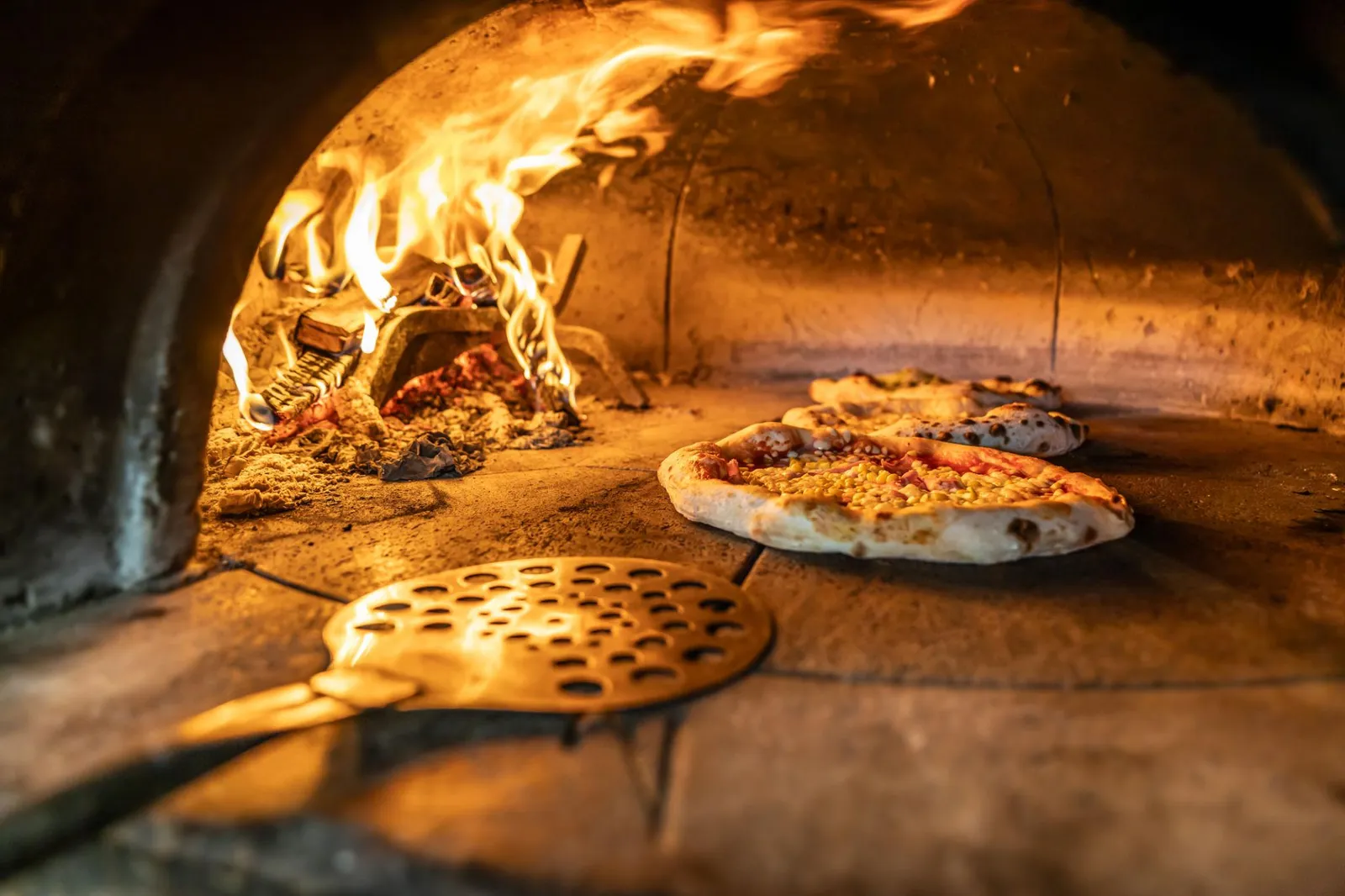
Wood-fired cooking brings a distinctive experience to outdoor kitchens and home entertaining. From roasting vegetables and preparing slow-cooked meals to grilling meat and baking fresh bread, cooking with a live fire offers opportunities that go well beyond making pizza. The combination of radiant heat, glowing embers and carefully selected timber can turn an ordinary meal into an enjoyable cooking experience.
However, successful wood-fired cooking depends on more than having an oven or barbecue. The type of firewood, its moisture condition, the size of the pieces and the way the fire is managed all influence the cooking process. Understanding these factors helps home cooks get more consistent results while making better use of their equipment.
1. Why Wood-Fired Cooking Is Different
Unlike many conventional cooking appliances, a wood-fired oven or barbecue produces heat through burning timber and glowing embers. Depending on the equipment and fire arrangement, food can be exposed to radiant heat, hot air and direct contact with a heated cooking surface.
This creates several cooking possibilities. A hot oven can cook flatbreads and roast vegetables, while a lower and more controlled heat can be suitable for longer cooking tasks. A barbecue with a bed of embers can provide another approach for grilling and roasting.
Wood-fired cooking also encourages a more hands-on style. The cook needs to observe the fire, understand how the temperature changes and make adjustments when necessary. Once these basics become familiar, preparing meals over wood can be both practical and rewarding.
2. Selecting Firewood for Cooking
The choice of timber is an important starting point. Not every type of wood is suitable for cooking, and users should only burn clean, untreated firewood recommended for their particular appliance.
Avoid painted, stained, glued, chemically treated or contaminated timber. These materials can release unwanted substances when burned and should never be used as cooking fuel.
Hardwood is a popular option for many wood-fired cooking setups because suitable seasoned varieties can provide substantial heat and a useful bed of coals. The best choice depends on the appliance, cooking method and manufacturer’s recommendations.
For cooks in Western Australia, Jarrah is one option worth considering. Its dense structure and lasting coals make it suitable for certain wood-fired applications, including pizza ovens. A consistent supply of properly prepared timber can also make it easier to plan repeated cooking sessions.
When looking for firewood perth, customers can compare the available hardwood options and consider how they intend to use the wood. Selecting a product suited to the equipment is more important than simply choosing the largest load or the cheapest option.
3. Preparing the Fire Before Cooking
Good cooking starts with preparation. Before lighting the fire, check that the oven or barbecue is clean, structurally sound and designed for wood burning. Remove old ash when required, following the appliance manufacturer’s instructions.
Arrange suitable kindling and small pieces so that air can circulate. Start the fire using an appropriate firelighter or another safe method recommended for the equipment. Avoid petrol, kerosene and other accelerants.
Once the initial fire is established, gradually introduce larger pieces of seasoned timber. Adding too much wood at once can restrict airflow or create a fire that is difficult to manage.
Allow the equipment to heat according to its instructions. A wood-fired oven may require time for the cooking surface and internal walls to reach the desired temperature. Rushing this stage can lead to uneven cooking, even when the flames appear strong.
4. Using Hardwood for Roasting
Roasting is one of the most versatile ways to cook with a wood-fired oven. Vegetables, poultry and suitable cuts of meat can all be prepared using indirect heat, depending on the equipment.
For vegetables, a roasting tray can help collect natural juices and make handling easier. Potatoes, pumpkin, carrots, capsicum and onions are practical choices. Cutting vegetables into reasonably even pieces helps them cook at a similar rate.
Meat requires more careful temperature control. A suitable oven thermometer and food thermometer can help monitor cooking conditions and confirm that food reaches safe internal temperatures. Follow recognised food-safety guidance for the particular meat being prepared.
The fire should be managed to provide a suitable cooking environment rather than simply producing the biggest possible flame. A bed of embers can provide useful heat, while excessive direct flame may cause the outside of food to cook too quickly.
5. Baking Bread and Other Oven Dishes
Wood-fired ovens can also be used for baking. Bread, flatbreads and other oven-based dishes can benefit from the heat retained by the oven’s cooking surface and internal structure.
Bread baking requires particular attention to temperature. If the cooking surface is too hot, the base may darken before the centre has finished cooking. If the oven is not sufficiently heated, the result may be uneven or take longer than expected.
Some cooks prepare bread after the initial high-temperature cooking session, once the fire has settled and the oven temperature has changed. This can make better use of retained heat.
Cooking several dishes in sequence is another advantage of a well-managed wood-fired setup. A high-temperature session might begin with flatbreads or other quick-cooking food, followed by roasting or baking as conditions change. The exact sequence depends on the oven’s design and its heat-retention characteristics.
6. Understanding Jarrah and Other Hardwood Options
Different hardwood products can suit different cooking preferences. Jarrah Only is made from 100% Jarrah and is valued for its density, long-burning coals and strong heat output. These characteristics can make it an option for wood-fired ovens and other suitable appliances.
Jarrah Bush Mix offers another choice. It combines Jarrah with selected Western Australian hardwoods, which may include Sheoak, Karri, Marri, Blackbutt and Banksia depending on supply. This type of blend can provide a versatile option for general heating and outdoor fires.
JJ’s Firewood also lists Jarrah Mill Ends and Budget Burner among its available products. These have different compositions and intended uses, so buyers should check the product details before selecting a fuel for cooking.
Customers considering jarrah firewood can compare the available options and check whether the selected product is appropriate for their particular oven or cooking appliance. It is also worth asking about piece sizes, as the dimensions need to suit the firebox and loading arrangement.
7. Managing Heat During a Cooking Session
One of the main skills in wood-fired cooking is learning to manage changing temperatures. Unlike an electric oven with a simple temperature dial, a wood fire requires observation and adjustment.
A useful approach is to prepare a supply of different-sized pieces. Smaller pieces can help establish the fire, while larger sections can contribute to a longer-lasting supply of heat.
Avoid constantly adding timber without checking the condition of the fire. Too much fuel can create excessive heat, while too little may allow the oven temperature to fall below the desired range.
A thermometer is a valuable tool, especially for cooks who are still learning how their equipment behaves. Keeping simple notes about the amount of timber used, preheating time and cooking results can also help improve consistency over time.
8. Organising an Outdoor Cooking Area
A practical cooking area makes wood-fired meals easier to prepare. The oven or barbecue should be positioned according to the manufacturer’s installation requirements and applicable local fire-safety rules.
Keep combustible furniture, decorations, garden materials and stored timber away from the fire. Make sure there is adequate space for people to move around safely, especially when children or guests are present.
A dedicated firewood storage area can help keep the cooking space organised. Store the main supply under cover, raised off the ground and with good airflow. Avoid placing timber directly beside the oven or barbecue, where heat and sparks could create a hazard.
It is also helpful to keep cooking tools, heat-resistant gloves and suitable cleaning equipment in an accessible location. A well-arranged outdoor kitchen makes it easier to concentrate on the food rather than searching for supplies during cooking.
9. Planning Supplies for Regular Wood-Fired Cooking
People who cook outdoors frequently may use more firewood than they initially expect. Preheating, maintaining the fire and preparing several dishes can all contribute to consumption.
Before ordering, consider how often the oven will be used, the size of the appliance and the amount of storage space available. Occasional cooks may prefer a smaller supply, while households that regularly entertain guests might benefit from a larger order.
JJ’s Firewood offers different load sizes, from smaller trailer quantities to larger truck loads, as well as bagged firewood. Its bulk loads are measured by volume using scoops, with weights provided as approximate guides. Understanding this measurement method can help customers compare quantities more accurately.
For Perth households, delivery is available seven days a week, subject to the delivery area and current demand. Planning the order ahead of a busy entertaining period can help ensure that suitable fuel is available when needed.
10. Cooking Safely With Wood
Wood-fired cooking should always be approached with care. Use only equipment designed for the intended purpose and follow its operating instructions. Never leave an active fire unattended, and keep children and pets at a safe distance.
Use appropriate tools when moving hot cookware or handling burning timber. Avoid adding unsuitable materials to the fire, and make sure ash and embers are completely extinguished before disposal.
Outdoor cooking should also take account of local fire restrictions, weather conditions and any applicable seasonal rules. Strong winds and dry surroundings can increase the risk of sparks spreading.
Food safety remains equally important. Keep raw and cooked ingredients separate, use clean utensils and check that meat and other foods reach appropriate safe temperatures.
Conclusion
Wood-fired cooking offers many possibilities beyond traditional pizza. With suitable equipment, properly seasoned hardwood and a thoughtful approach to managing heat, home cooks can prepare roasted vegetables, meat, bread and a wide range of other dishes.
The key is to select appropriate untreated timber, prepare the fire carefully and understand how the oven or barbecue responds as the wood burns. Good storage, sensible supply planning and safe cooking practices also contribute to a more enjoyable experience.
Also read: Furnaces, Boilers, Heat Pumps and More: A Guide to HVAC Systems in NYC Homes
Whether preparing a simple family meal or entertaining guests outdoors, a well-managed wood-fired setup can bring variety and character to home cooking.


