Understanding NFT Ecosystems: A Simple Guide for Beginners
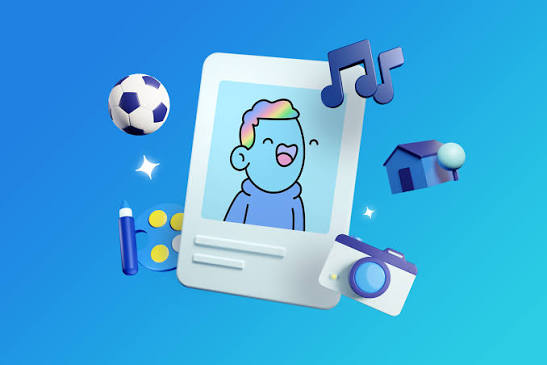
NFTs have changed the way people think about digital ownership. They allow users to buy, sell, collect, and trade digital items through blockchain technology. However, an NFT is not only a picture stored online. It is part of a wider system that includes creators, collectors, marketplaces, digital wallets, communities, and blockchain networks.
Understanding NFT ecosystems helps people learn how these different parts work together. It also makes it easier to understand why some NFT projects become popular while others quickly lose attention.
What Is an NFT Ecosystem?
An NFT ecosystem is a complete digital environment built around non-fungible tokens. It includes every platform, person, tool, and service involved in creating, buying, selling, or using NFTs.
NFT stands for non-fungible token. “Non-fungible” means that the item is unique and cannot be replaced with an identical item. For example, one Bitcoin has the same value as another Bitcoin. However, one NFT may have different artwork, features, rarity, or benefits compared to another NFT.
An NFT ecosystem connects several important parts. These include blockchain networks, NFT marketplaces, creators, buyers, digital wallets, online communities, and smart contracts.
ind your favorite Vox Hazbin Hotel PFP Images and choose a design that fits your personality and online style. Whether you prefer a cool, funny, dark, aesthetic, or powerful Vox profile picture, there are plenty of creative options to explore. Select your favorite image and use it as your profile picture on social media, gaming accounts, forums, or messaging platforms.
The Role of Blockchain Networks
Blockchain networks provide the foundation of NFT ecosystems. A blockchain stores ownership details and transaction records in a public digital system.
Ethereum has been one of the most widely used blockchains for NFTs. Other networks, such as Solana, Polygon, Tezos, and Avalanche, also support NFT projects.
Each blockchain has different transaction fees, speeds, tools, and community sizes. Some projects choose Ethereum because of its large user base. Others prefer lower-cost networks because they offer faster and cheaper transactions.
The blockchain also helps prove who owns an NFT. Once a person buys a token, the ownership record appears on the blockchain.
NFT Marketplaces
NFT marketplaces are websites where users can create, buy, sell, and trade NFTs. These platforms work like online stores for digital assets.
Creators can upload their artwork, music, videos, gaming items, or digital collectibles. They can then mint the item as an NFT and list it for sale.
Buyers can search for NFTs based on price, category, creator, popularity, or blockchain. Some marketplaces support many types of NFTs, while others focus on specific areas such as gaming, art, sports, or music.
A marketplace usually charges a service fee on each sale. Users may also pay blockchain transaction fees when they buy or sell an NFT.
Digital Wallets and NFT Ownership
A digital wallet allows users to store cryptocurrency and manage NFTs. It acts as a personal account for interacting with blockchain platforms.
Before buying an NFT, a user normally needs to create a digital wallet. The wallet connects to an NFT marketplace and allows the person to approve transactions.
Wallet security plays a major role in NFT ecosystems. Users must protect their passwords, private keys, and recovery phrases. Anyone who gains access to these details may also gain control of the wallet.
NFT holders should avoid suspicious links, fake giveaways, and unknown websites. Strong security habits can help protect valuable digital assets.
Creators and Digital Artists
Creators are at the center of many NFT ecosystems. They design the artwork, characters, music, videos, or digital experiences linked to the tokens.
NFTs give creators a new way to earn money from digital work. Artists can sell directly to collectors without depending fully on traditional galleries or agencies.
Some NFT smart contracts also allow creators to receive royalties from future sales. This means the original creator may earn a small percentage each time the NFT is resold.
Creators may also build full collections around one visual theme. For example, a project may feature animals, robots, fantasy characters, or a cat lover PFP designed for social media users who enjoy digital identity and online communities.
The Importance of NFT Communities
Communities can strongly affect the success of an NFT project. Many NFT owners join groups on social platforms to discuss updates, share artwork, attend online events, and connect with other collectors.
A strong community can help a project gain attention and build long-term interest. Members often promote the collection by using their NFTs as profile pictures.
However, community activity should not be the only reason to buy an NFT. Buyers should also study the project team, roadmap, ownership rights, and actual utility.
Some communities offer voting rights, private events, exclusive content, or early access to future collections.
Smart Contracts in NFT Ecosystems
Smart contracts are programs stored on a blockchain. They manage important NFT actions automatically.
A smart contract can create NFTs, transfer ownership, control supply, send royalties, and unlock special benefits. It reduces the need for a middle person because the contract follows fixed digital rules.
Before joining a project, users should check whether the smart contract has been reviewed. A poorly written contract may contain technical problems or security risks.
Clear smart contracts help build trust between creators, buyers, and marketplaces.
NFT Utility and Real-World Use
NFTs can offer more than digital artwork. Some tokens provide access to games, events, memberships, digital products, or online services.
In gaming, NFTs may represent characters, weapons, land, clothing, or other virtual items. Players may trade these assets with other users.
Music artists may use NFTs to offer special songs, concert tickets, or fan rewards. Brands may use them for loyalty programs, limited products, or digital memberships.
NFTs can also connect physical and digital items. For example, a buyer may receive an NFT that proves ownership of a limited product.
Risks in NFT Ecosystems
NFT ecosystems also contain risks. Prices may change quickly, and buyers may lose money if demand falls.
Fake collections, copied artwork, phishing links, and dishonest projects are common concerns. Some projects make large promises but fail to deliver their plans.
Buyers should research the team, community, contract, marketplace, and project history before spending money. They should also avoid investing funds they cannot afford to lose.
Environmental concerns have also affected the NFT market. Some blockchains use more energy than others, although many networks now use energy-saving systems.
The Future of NFT Ecosystems
NFT ecosystems may continue to grow as blockchain technology becomes easier to use. Future NFTs may focus more on gaming, identity, memberships, education, ticketing, and digital ownership.
Better security tools and clearer rules may also improve trust. Marketplaces may become more user-friendly, while brands may use NFTs in simpler ways that do not require deep technical knowledge.
The strongest NFT projects will likely offer useful benefits, active communities, clear ownership rights, and long-term value.
Final Thoughts
Understanding NFT ecosystems means learning how blockchains, wallets, marketplaces, creators, collectors, smart contracts, and communities work together.
NFTs are not only digital pictures. They can represent ownership, access, identity, rewards, and virtual products. At the same time, users must understand the risks before buying or trading them.
By learning the main parts of the ecosystem, beginners can make safer decisions and better understand the changing world of digital assets.