
Transforming Vivarium Conditions Using Carefully Raised Isopods for Sale
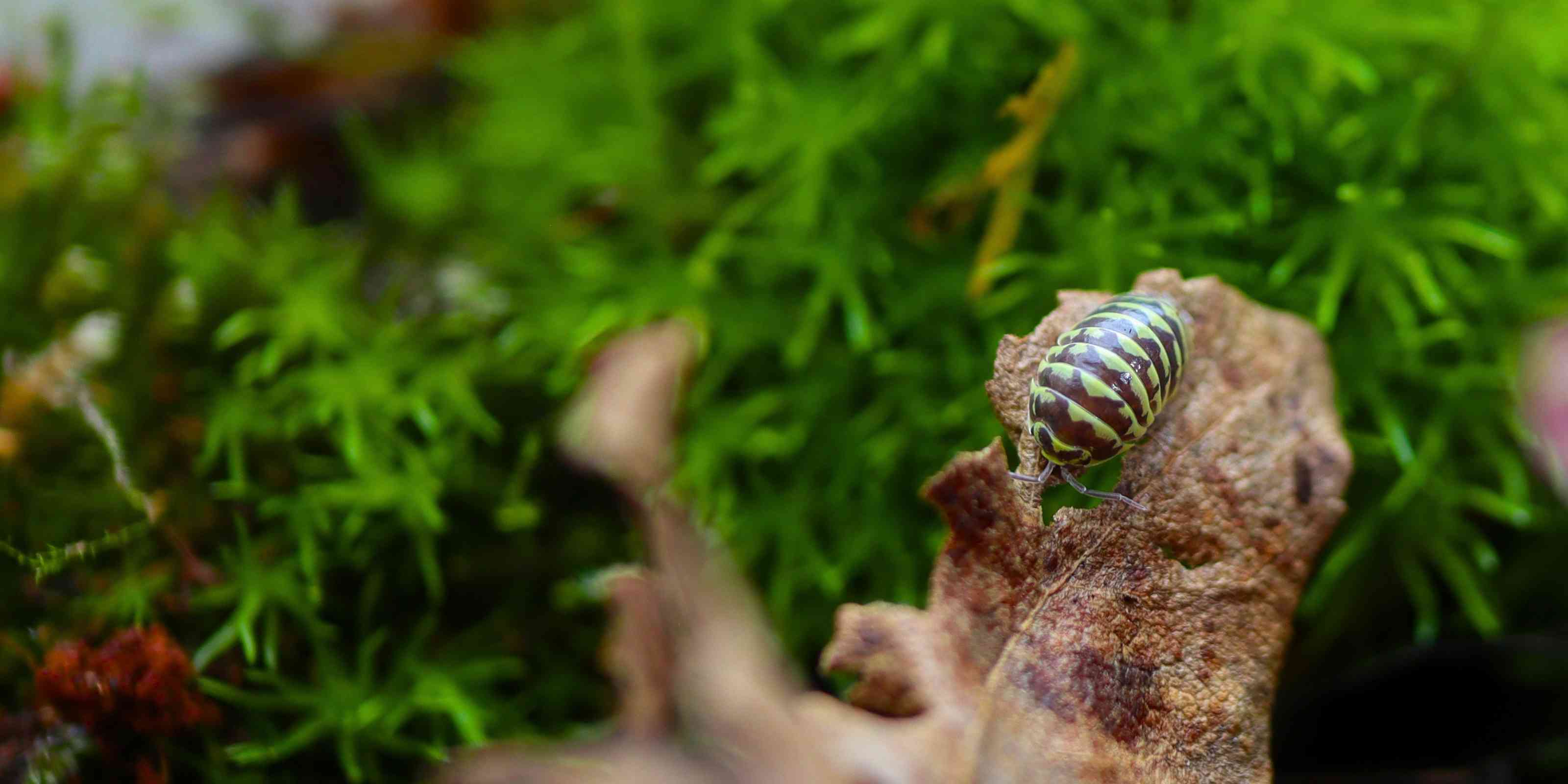
Creating a balanced enclosure requires attention to cleanliness, moisture control, substrate quality, and natural waste breakdown processes. Many keepers now choose isopods for sale because these small creatures support healthier habitat conditions naturally. Their activity helps maintain cleaner surroundings while supporting biological balance within enclosed environments. Carefully raised varieties often adapt well to controlled settings and contribute steady environmental support. Proper selection combined with suitable care creates stronger results for long term enclosure management.
Building Stable Habitat Support Systems
Healthy enclosure environments depend on natural processes working together efficiently. Properly maintained clean-up species support these functions while reducing maintenance demands.
Selecting Suitable Clean-up Colony Types
Different varieties provide unique benefits based on enclosure requirements. Matching species with habitat conditions improves performance and overall environmental stability.
Moisture Balance Through Natural Activity
Natural movement within substrate layers supports better moisture distribution throughout.
- Supports steady moisture levels across substrate without major fluctuations.
- Encourages balanced ground conditions beneath decorative enclosure materials.
- Helps reduce overly damp sections causing unwanted habitat concerns.
- Promotes suitable humidity support across enclosed environmental spaces.
- Assists natural circulation within lower substrate structure layers.
Additional attention to humidity monitoring helps maintain consistent conditions. Balanced moisture levels often improve habitat quality over extended periods.
Improving Substrate Quality Over Time
Active colonies contribute valuable support toward long term substrate condition.
- Breaks down organic material through constant surface cleaning activities.
- Supports healthier ground composition through gradual waste processing methods.
- Encourages improved substrate texture across multiple enclosure sections.
- Assists nutrient recycling, supporting beneficial environmental development naturally.
- Helps maintain cleaner enclosure foundations with reduced buildup concerns.
Substrate quality influences overall enclosure success significantly. Consistent biological activity supports stronger environmental balance.
Supporting Waste Breakdown Processes Naturally
Clean-up organisms assist enclosure maintenance through steady organic material removal.
- Consumes decaying matter before excessive accumulation affects enclosure quality.
- Supports cleaner surroundings through continuous biological processing functions.
- Reduces visible organic debris across habitat surface areas effectively.
- Encourages healthier environmental conditions through routine clean-up activity.
- Helps maintain stable enclosure appearance throughout extended periods.
Natural waste management often reduces maintenance requirements considerably. Regular observation ensures ongoing effectiveness within enclosure systems.
Encouraging Beneficial Micro Environment Growth
Balanced habitats support numerous helpful biological processes successfully.
- Promotes suitable conditions supporting beneficial substrate organisms naturally.
- Encourages stable environmental relationships throughout enclosed habitat sections.
- Supports balanced ground activity improving enclosure sustainability levels.
- Assists development of healthier biological interactions across substrates.
- Maintains supportive conditions benefiting long term habitat performance.
Microenvironmental balance strengthens enclosure resilience significantly. Healthy biological interactions support dependable habitat function.
Raising Long Term Enclosure Stability
Consistent clean-up activity contributes toward lasting environmental reliability.
- Supports dependable habitat conditions through continuous biological assistance.
- Helps maintain organized enclosure structure with reduced disturbance.
- Encourages stronger environmental consistency throughout changing maintenance schedules.
- Assists natural balance supporting sustainable enclosure management goals.
- Promotes healthier habitat performance across extended operational periods.
Reliable enclosure stability reduces corrective maintenance requirements. Long term planning improves habitat success substantially.
What Benefits Do Raised Colonies Provide?
Carefully maintained colonies often arrive healthier and more adaptable. Better condition supports smoother establishment within prepared habitats. Strong populations contribute more reliable environmental support after introduction.
| Habitat Function | Contribution Provided | Result Within Enclosure |
| Waste Control | Organic matter breakdown | Cleaner surroundings |
| Moisture Support | Surface movement activity | Better humidity balance |
| Substrate Health | Material recycling processes | Improved ground quality |
| Biological Balance | Natural ecosystem support | Greater stability |
| Maintenance Reduction | Continuous clean-up activity | Less visible buildup |
The table highlights common contributions supporting enclosure management goals. Combined benefits help create stronger environmental performance overall.
Which Features Matter During Selection?
Choosing suitable varieties requires attention to environmental compatibility. Colony quality often influences long term enclosure performance significantly.
- Review moisture preferences matching intended habitat conditions accurately.
- Check colony health through visible activity patterns before purchase.
- Consider growth rates supporting future enclosure maintenance goals.
- Evaluate adaptability across different substrate compositions carefully.
- Select varieties suited for existing environmental requirements effectively.
How Can Habitats Remain Productive?
Regular observation supports better environmental management over extended periods. Small adjustments often prevent larger habitat concerns from developing later. Balanced care encourages stronger enclosure performance continuously.
Ongoing Care for Sustainable Results
Consistent management strengthens habitat quality while supporting biological balance.
- Maintain suitable moisture ranges supporting healthy colony development.
- Remove excessive debris preventing unnecessary environmental pressure buildup.
- Monitor substrate condition for gradual quality improvements regularly.
- Provide organic materials supporting natural feeding opportunities consistently.
- Observe activity levels indicating stable habitat performance continually.
Lasting Habitat Success
Strong enclosure results depend upon balanced biological support systems working. Carefully raised colonies contribute valuable assistance through cleaning activities daily. Their presence supports healthier substrate conditions while improving environmental reliability. Thoughtful selection combined with steady care encourages sustainable habitat development. Many keepers also combine colonies with springtails for sale uk sources for broader enclosure support and improved biological balance.