
Signs Your Roof May Not Be Ready for Another Hurricane Season
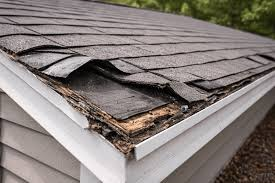
Florida homeowners know that hurricane season places enormous stress on residential roofing systems. Strong winds, driving rain, high humidity, and prolonged storm activity can expose roofing weaknesses that may have gone unnoticed during calmer weather. Many roofing problems begin gradually, which is why homeowners often discover damage only after a severe storm has already affected the property.
A professional roof inspection becomes especially valuable before hurricane season begins. Small concerns such as lifted shingles, damaged flashing, soft decking, or aging materials may quickly become major roofing failures once severe weather arrives. Homeowners searching for a roofing company often wait until visible leaks appear, but preventive inspections can help identify vulnerable areas before costly water intrusion occurs.
Storm preparation involves more than securing outdoor furniture and checking emergency supplies. The roof remains one of the most important protective systems on the home, and its condition directly affects the safety and structural stability of the property during severe weather.
Missing or Damaged Shingles Often Signal Larger Roofing Issues
Shingles provide a protective barrier that helps direct water away from the roof structure. When shingles become loose, cracked, curled, or missing, the roofing system becomes more vulnerable during heavy storms.
Florida’s heat and UV exposure gradually weaken roofing materials. Afternoon thunderstorms and strong seasonal winds may then further loosen already damaged shingles. Once protective layers begin separating from the roof surface, moisture can reach underlying materials much more easily.
Many homeowners notice isolated roof damage after storms, but underestimate how quickly small openings can expand during hurricane season. Wind-driven rain may enter beneath compromised shingles and affect roof decking, attic insulation, and interior ceilings.
A roof inspection allows roofing professionals to evaluate whether isolated repairs are sufficient or if the roofing system is showing broader signs of wear that require additional attention before storm season intensifies.
Roof Leaks Are Not Always Immediately Visible
One of the more frustrating aspects of roofing damage is that leaks are not always easy to detect initially. Water intrusion often develops slowly and may travel through attic spaces before becoming visible inside the home.
First, some homeowners notice subtle signs such as discoloration on the ceiling, moisture odors, peeling paint, or minor staining near vents and corners. By the time these symptoms appear indoors, the roofing system may already have sustained more extensive hidden damage.
Summer rainstorms often expose weaknesses that remained unnoticed during dry periods. Heavy rainfall tests flashings, valleys, vent seals, and roof penetrations in ways smaller storms may not.
A roofing company performing a detailed inspection can identify vulnerable areas that homeowners may overlook from the ground. Catching these problems early may help reduce the likelihood of emergency repairs during hurricane season.
Aging Roofs Face Greater Risk During Severe Weather
Roof age plays a major role in storm resistance. Even roofs that appear visually acceptable from a distance may lose durability as materials weaken over time. Adhesives, sealants, flashing systems, and underlayment components gradually deteriorate after years of exposure to heat, humidity, and repeated storms.
Older roofs often experience reduced wind resistance compared to newer systems installed under updated building standards. During hurricanes or tropical storms, aging materials may detach more easily under high wind pressure.
Many homeowners schedule roof inspections specifically to evaluate whether their roof can reasonably withstand another storm season. This evaluation becomes especially valuable for homes with roofs approaching the later stages of their expected lifespan.
Professional assessments help homeowners understand the condition of the roofing system before severe weather creates additional complications.
Flashing and Roof Penetrations Need Regular Attention
Roofing systems contain several vulnerable transition points where water intrusion commonly develops. Flashing around chimneys, vents, skylights, valleys, and roof edges helps direct water away from seams and openings.
Over time, flashing may separate, rust, loosen, or crack due to repeated exposure to the weather. These areas frequently become the starting point for leaks during heavy rain and wind-driven storms.
Many roof leaks occur not because of widespread shingle failure, but because small flashing issues have gone untreated for too long. Routine roof inspections allow roofing professionals to identify these vulnerable areas before major rainfall further exposes them.
Roof penetrations also require regular monitoring because sealants gradually weaken in Florida’s weather. Small maintenance repairs completed before hurricane season may help prevent larger interior water damage later.
Storm Preparation Starts Before Severe Weather Arrives
Waiting until a tropical storm warning has been issued often limits the availability of repairs and scheduling flexibility. Roofing companies typically experience a surge in emergency service calls once major storms approach or pass through the area.
Scheduling a roof inspection earlier in the season gives homeowners more time to address repairs, improve drainage, and reinforce vulnerable roofing components before severe weather develops.
Preventative roof maintenance may also help homeowners document existing roof conditions for insurance purposes before storms arrive. Photographs, inspection reports, and repair records often become valuable after significant weather events.
A roofing company focused on storm preparation understands how Florida weather patterns affect residential roofing systems throughout the year. Early inspections provide homeowners with a clearer understanding of their roof’s condition and any recommended repairs before hurricane season reaches peak activity.
Frequently Asked Questions
Why should homeowners schedule a roof inspection before hurricane season?
A roof inspection may help identify loose shingles, flashing damage, leaks, and structural concerns before severe weather increases the risk of major roof damage.
How do I know if my roof needs repairs after a storm?
Signs such as missing shingles, ceiling stains, water intrusion, sagging areas, and debris accumulation often indicate storm-related roof damage.
Can an older roof survive another hurricane season?
The condition of the roof matters more than age alone, but older roofing systems generally face greater risks during severe weather and should be professionally inspected.
What does a roofing company evaluate during a roof inspection?
Roof inspections typically include shingles, flashing, roof penetrations, drainage areas, attic conditions, and visible signs of storm or moisture damage.
Homeowners preparing for hurricane season can benefit from scheduling a professional roof inspection before severe weather arrives. Learn more about residential roofing inspections by contacting Avatar Roofing in Tampa, FL.
read more : When the Past Fled: Lessons About Change, Perspective, and Moving Forward