
Lawsuit Steps: From Filing to Final Decision
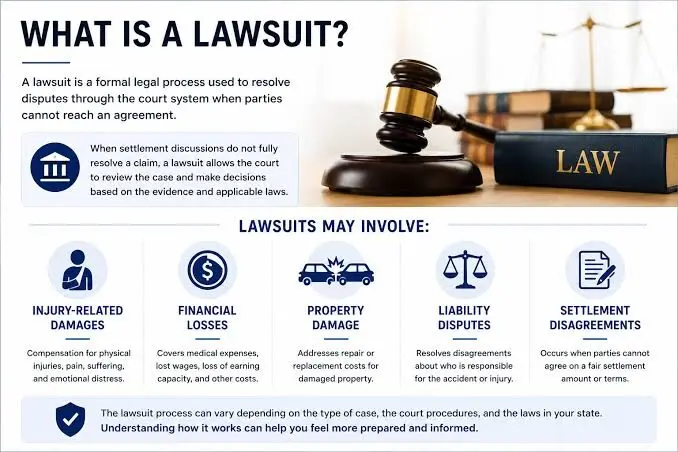
Understanding the legal process can help reduce stress and prepare you for what lies ahead. Whether you are filing a claim or defending yourself in court, knowing each stage of a lawsuit makes the process easier to follow. Many people turn to lawsuitsmag for legal information and updates because it explains legal topics in a simple and practical way. This guide walks through the major lawsuit steps, from filing the initial complaint to receiving the court’s final decision.
What Is a Lawsuit?
A lawsuit is a legal dispute between two or more parties that is resolved in a court of law. One party, known as the plaintiff, files a complaint against another party, called the defendant. The lawsuit may involve personal injury, business disputes, property issues, contracts, employment matters, or other legal concerns.
Every lawsuit follows a structured legal process. While the details vary depending on the case and jurisdiction, most lawsuits move through similar stages.
Step 1: Filing the Complaint
The first step in any lawsuit is filing a legal complaint with the appropriate court. The complaint explains:
- The facts of the dispute
- The legal claims being made
- The damages or relief requested
Once the complaint is filed, the court officially opens the case. Filing fees usually apply, although some courts may waive them for qualifying individuals.
This document serves as the foundation of the entire legal process because it outlines what the plaintiff is asking the court to decide.
Step 2: Serving the Defendant
After filing the complaint, the defendant must receive a copy of the lawsuit through a process known as service of process.
This step ensures that the defendant has official notice of the legal action. Service is usually completed by:
- A professional process server
- A sheriff or law enforcement officer
- Certified mail, where allowed
Proper service is required before the court can proceed with the lawsuit.
Step 3: Defendant Files a Response
Once served, the defendant has a limited amount of time to respond.
The response may include:
- Admitting certain allegations
- Denying the claims
- Raising legal defenses
- Filing a counterclaim against the plaintiff
If the defendant fails to respond within the required deadline, the court may issue a default judgment in favor of the plaintiff.
Step 4: Discovery Process
Discovery is often the longest phase of a lawsuit. During this stage, both sides gather evidence to support their arguments.
Common discovery methods include:
- Written questions called interrogatories
- Requests for documents
- Requests for admissions
- Depositions under oath
The purpose of discovery is to prevent surprises during trial and allow both parties to evaluate the strengths and weaknesses of the case.
Many lawsuits are resolved during or shortly after discovery because both sides gain a clearer understanding of the available evidence.
Step 5: Pre-Trial Motions
Before the trial begins, attorneys may file various motions asking the judge to make legal decisions.
Examples include:
- Motions to dismiss
- Motions for summary judgment
- Motions to exclude certain evidence
If the judge grants a summary judgment, the case may end without ever reaching trial because the court determines there is no genuine dispute over important facts.
These motions help narrow the issues that will be presented in court.
Step 6: Settlement Negotiations
Not every lawsuit ends with a courtroom trial. In fact, many cases settle before trial begins.
Settlement discussions allow both parties to negotiate an agreement that resolves the dispute without waiting for a judge or jury.
Benefits of settlement include:
- Lower legal costs
- Faster resolution
- Greater privacy
- Reduced uncertainty
Settlement may occur at any point during the lawsuit, even after the trial has started.
Step 7: Trial
If settlement efforts fail, the lawsuit proceeds to trial.
During the trial:
- Both sides present evidence.
- Witnesses testify.
- Attorneys question witnesses.
- Legal arguments are presented.
- The judge oversees courtroom procedures.
Some lawsuits are decided by a jury, while others are decided solely by the judge.
The length of a trial depends on the complexity of the case. Some trials last only one day, while others continue for several weeks.
Step 8: Final Decision
After hearing all evidence, the judge or jury reaches a verdict.
The final decision determines:
- Which party wins
- Whether damages are awarded
- Any legal remedies the court orders
The court then enters a formal judgment, making the decision legally enforceable.
If one party disagrees with the outcome, they may have the right to file an appeal within the required deadline.
Appeals Process
An appeal is not a new trial. Instead, a higher court reviews the lower court’s decision to determine whether legal errors affected the outcome.
The appellate court may:
- Affirm the original judgment
- Reverse the decision
- Send the case back for another trial
Appeals usually focus on legal issues rather than disputes about facts or witness testimony.
How Long Does a Lawsuit Take?
The timeline varies based on several factors, including:
| Factor | Effect on Timeline |
| Case complexity | More complex cases usually take longer. |
| Court schedule | Busy courts may delay hearings and trials. |
| Discovery process | Large amounts of evidence increase preparation time. |
| Settlement negotiations | Successful negotiations often shorten the process. |
| Appeals | Appeals can add months or even years. |
Simple lawsuits may finish within a few months, while complicated cases can continue for several years.
Tips for Navigating a Lawsuit
If you are involved in a lawsuit, consider these practical tips:
- Keep copies of all legal documents.
- Respond to deadlines promptly.
- Stay organized throughout the process.
- Follow your attorney’s advice.
- Remain honest during testimony and discovery.
- Avoid discussing the case publicly unless advised otherwise.
Good preparation often helps reduce delays and strengthens your position during legal proceedings.
Conclusion
A lawsuit follows a structured path from filing the complaint to receiving the court’s final decision. Each stage plays an important role in ensuring fairness and allowing both parties to present their case. While every legal dispute is different, understanding the overall process can help you make informed decisions and reduce uncertainty. This informative post provides a clear overview of each step, making it easier to understand how lawsuits progress from beginning to end and what participants can generally expect throughout the legal journey.