200 Japanese Names That Mean “Pink” For Boys & Girls With Meanings
In Japanese culture, the color pink isn’t just about sweetness — it’s a symbol of spring, youth, and delicate emotion. It reflects fleeting beauty, like cherry blossoms drifting softly in the wind. This graceful hue inspires many poetic names tied to love, tenderness, and the essence of renewal.
Whether you’re naming a baby, writing a story, or creating an anime character, these Japanese names that mean pink blend cultural meaning with charm. Let’s begin with enchanting girl names inspired by this lovely color.
Japanese Names That Mean Pink Girl
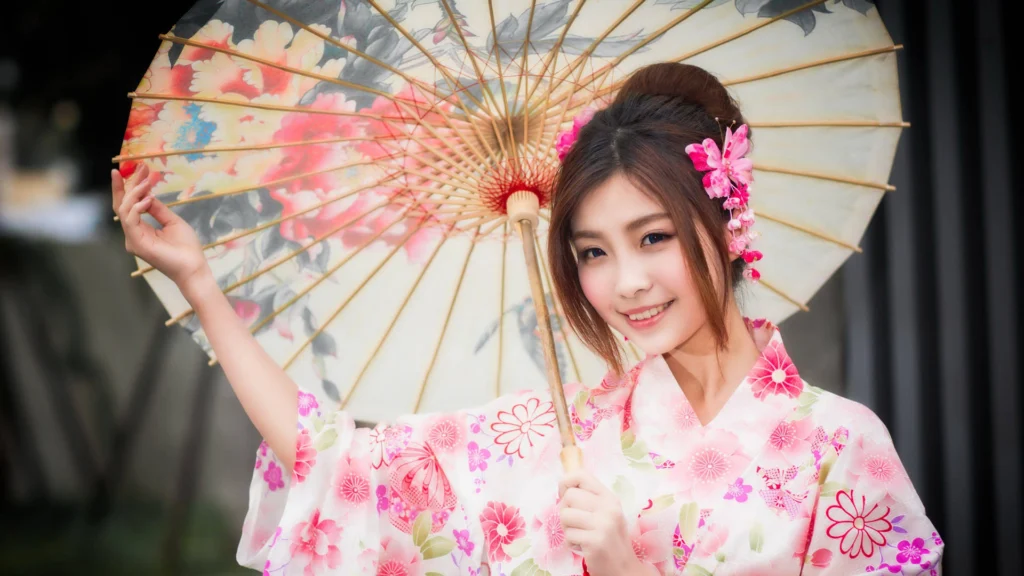
From gentle floral tones to radiant cherry imagery, these girl names embody the soft glow of pink — a hue deeply woven into Japan’s artistic and emotional heritage.
- Sakura
• Meaning: Cherry blossom
• Pronunciation: sah-koo-rah
• Kanji: 桜 - Momoka
• Meaning: Peach blossom
• Pronunciation: moh-moh-kah
• Kanji: 桃花 - Ayaka
• Meaning: Colorful flower
• Pronunciation: ah-yah-kah
• Kanji: 彩花 - Hinagiku
• Meaning: Pink daisy
• Pronunciation: hee-nah-gee-koo
• Kanji: 雛菊 - Momo
• Meaning: Peach, pink fruit
• Pronunciation: moh-moh
• Kanji: 桃 - Haruka
• Meaning: Spring fragrance
• Pronunciation: hah-roo-kah
• Kanji: 春香 - Sakurako
• Meaning: Child of cherry blossoms
• Pronunciation: sah-koo-rah-koh
• Kanji: 桜子 - Momone
• Meaning: Sound of peach
• Pronunciation: moh-moh-neh
• Kanji: 桃音 - Aya
• Meaning: Color, design
• Pronunciation: ah-yah
• Kanji: 彩 - Momokae
• Meaning: Blossoming peach
• Pronunciation: moh-moh-kah-eh
• Kanji: 桃栄 - Sakurami
• Meaning: Beauty of cherry
• Pronunciation: sah-koo-rah-mee
• Kanji: 桜美 - Himari
• Meaning: Light and love
• Pronunciation: hee-mah-ree
• Kanji: 陽葵 - Momiji
• Meaning: Autumn leaf, pink hue
• Pronunciation: moh-mee-jee
• Kanji: 紅葉 - Sakurane
• Meaning: Sound of cherry blossom
• Pronunciation: sah-koo-rah-neh
• Kanji: 桜音 - Miyaka
• Meaning: Beautiful blossom
• Pronunciation: mee-yah-kah
• Kanji: 美花 - Koharu
• Meaning: Little spring
• Pronunciation: koh-hah-roo
• Kanji: 小春 - Mizuki
• Meaning: Beautiful moon flower
• Pronunciation: mee-zoo-kee
• Kanji: 美月 - Haruno
• Meaning: Field of spring
• Pronunciation: hah-roo-no
• Kanji: 春野 - Sumire
• Meaning: Violet flower
• Pronunciation: soo-mee-reh
• Kanji: 菫 - Sakuno
• Meaning: Field of cherry
• Pronunciation: sah-koo-no
• Kanji: 桜野 - Momoko
• Meaning: Peach child
• Pronunciation: moh-moh-koh
• Kanji: 桃子 - Airi
• Meaning: Love jasmine
• Pronunciation: eye-ree
• Kanji: 愛莉 - Hinata
• Meaning: Sunflower, sunny place
• Pronunciation: hee-nah-tah
• Kanji: 陽向 - Sakuyo
• Meaning: World of blossoms
• Pronunciation: sah-koo-yoh
• Kanji: 桜世 - Mohana
• Meaning: Pink flower fragrance
• Pronunciation: moh-hah-nah
• Kanji: 桃花香 - Akari
• Meaning: Light, glow
• Pronunciation: ah-kah-ree
• Kanji: 明里 - Moeha
• Meaning: Bud of love
• Pronunciation: moh-eh-hah
• Kanji: 萌葉 - Sakuramiya
• Meaning: Shrine of cherry blossoms
• Pronunciation: sah-koo-rah-mee-yah
• Kanji: 桜宮 - Rinako
• Meaning: Dignified child
• Pronunciation: ree-nah-koh
• Kanji: 凛子 - Momohana
• Meaning: Peach blossom
• Pronunciation: moh-moh-hah-nah
• Kanji: 桃花 - Ayane
• Meaning: Sound of color
• Pronunciation: ah-yah-neh
• Kanji: 彩音 - Sakurae
• Meaning: Prosperous cherry
• Pronunciation: sah-koo-rah-eh
• Kanji: 桜栄 - Hina
• Meaning: Sun, greens, doll
• Pronunciation: hee-nah
• Kanji: 陽菜 - Momura
• Meaning: Pink village
• Pronunciation: moh-moo-rah
• Kanji: 桃村 - Sakukoi
• Meaning: Blossom love
• Pronunciation: sah-koo-koi
• Kanji: 桜恋 - Harumi
• Meaning: Spring beauty
• Pronunciation: hah-roo-mee
• Kanji: 春美 - Ayumi
• Meaning: Walking beauty
• Pronunciation: ah-yoo-mee
• Kanji: 歩美 - Mitsuki
• Meaning: Light of moon
• Pronunciation: mee-tsoo-kee
• Kanji: 光月 - Momiyo
• Meaning: Pink generation
• Pronunciation: moh-mee-yoh
• Kanji: 桃代 - Sakurao
• Meaning: Man of blossoms
• Pronunciation: sah-koo-rah-oh
• Kanji: 桜夫 - Kohana
• Meaning: Little flower
• Pronunciation: koh-hah-nah
• Kanji: 小花 - Mizuno
• Meaning: Water field
• Pronunciation: mee-zoo-no
• Kanji: 水野 - Sakurana
• Meaning: Blossom greens
• Pronunciation: sah-koo-rah-nah
• Kanji: 桜菜 - Momori
• Meaning: Protecting peach
• Pronunciation: moh-moh-ree
• Kanji: 桃守 - Sayaka
• Meaning: Clear blossom
• Pronunciation: sah-yah-kah
• Kanji: 清花 - Rinka
• Meaning: Bell flower
• Pronunciation: reen-kah
• Kanji: 琳花 - Sakuhime
• Meaning: Princess blossom
• Pronunciation: sah-koo-hee-meh
• Kanji: 桜姫 - Momonami
• Meaning: Pink wave
• Pronunciation: moh-moh-nah-mee
• Kanji: 桃波 - Haruha
• Meaning: Gentle spring
• Pronunciation: hah-roo-hah
• Kanji: 春葉 - Sakuharu
• Meaning: Spring blossom
• Pronunciation: sah-koo-hah-roo
• Kanji: 桜春
Japanese Names That Mean Pink Boy
Soft yet strong — these Japanese boy names reflect the tender side of pink, symbolizing affection, warmth, and the poetic nature of spring. Each name carries a subtle connection to cherry blossoms, dawn, or gentle hues.
1. Haruto
• Meaning: Sunlight, spring
• Pronunciation: hah-roo-toh
• Kanji: 陽翔
2. Momoharu
• Meaning: Pink spring
• Pronunciation: moh-moh-hah-roo
• Kanji: 桃春
3. Sakurato
• Meaning: Man of cherry
• Pronunciation: sah-koo-rah-toh
• Kanji: 桜翔
4. Akihiro
• Meaning: Bright glory
• Pronunciation: ah-kee-hee-roh
• Kanji: 明宏
5. Hinata
• Meaning: Sun place
• Pronunciation: hee-nah-tah
• Kanji: 陽向
6. Taiga
• Meaning: Big river
• Pronunciation: tie-gah
• Kanji: 大河
7. Momoya
• Meaning: House of peach
• Pronunciation: moh-moh-yah
• Kanji: 桃屋
8. Sakuma
• Meaning: True cherry
• Pronunciation: sah-koo-mah
• Kanji: 桜真
9. Renji
• Meaning: Lotus peace
• Pronunciation: rehn-jee
• Kanji: 蓮司
10. Haruki
• Meaning: Radiant spring
• Pronunciation: hah-roo-kee
• Kanji: 春輝
11. Momonari
• Meaning: Gentle peach sound
• Pronunciation: moh-moh-nah-ree
• Kanji: 桃成
12. Sakuya
• Meaning: Blooming night
• Pronunciation: sah-koo-yah
• Kanji: 咲也
13. Hiroto
• Meaning: Great person
• Pronunciation: hee-roh-toh
• Kanji: 大翔
14. Sakuragi
• Meaning: Cherry tree
• Pronunciation: sah-koo-rah-gee
• Kanji: 桜木
15. Momohiko
• Meaning: Boy of peach
• Pronunciation: moh-moh-hee-koh
• Kanji: 桃彦
16. Renya
• Meaning: Lotus blossom
• Pronunciation: rehn-yah
• Kanji: 蓮哉
17. Haruma
• Meaning: True spring
• Pronunciation: hah-roo-mah
• Kanji: 春真
18. Sakunori
• Meaning: Law of blossoms
• Pronunciation: sah-koo-no-ree
• Kanji: 桜法
19. Momohiro
• Meaning: Generous peach
• Pronunciation: moh-moh-hee-roh
• Kanji: 桃宏
20. Rento
• Meaning: Refined peace
• Pronunciation: rehn-toh
• Kanji: 蓮翔
21. Harutoji
• Meaning: Gentle spring path
• Pronunciation: hah-roo-toh-jee
• Kanji: 春路
22. Sakutaro
• Meaning: Boy of blossoms
• Pronunciation: sah-koo-tah-roh
• Kanji: 桜太郎
23. Momoharuya
• Meaning: Pink spring field
• Pronunciation: moh-moh-hah-roo-yah
• Kanji: 桃春野
24. Aoto
• Meaning: Blue and peach harmony
• Pronunciation: ah-oh-toh
• Kanji: 蒼翔
25. Haruya
• Meaning: Gentle spring night
• Pronunciation: hah-roo-yah
• Kanji: 春夜
26. Sakuratoji
• Meaning: Cherry road
• Pronunciation: sah-koo-rah-toh-jee
• Kanji: 桜路
27. Momokazu
• Meaning: Harmony of peach
• Pronunciation: moh-moh-kah-zoo
• Kanji: 桃和
28. Rikuya
• Meaning: Land and blossom
• Pronunciation: ree-koo-yah
• Kanji: 陸哉
29. Sakurachi
• Meaning: Land of cherry
• Pronunciation: sah-koo-rah-chee
• Kanji: 桜地
30. Harunori
• Meaning: Rule of spring
• Pronunciation: hah-roo-no-ree
• Kanji: 春則
31. Momohisa
• Meaning: Everlasting peach
• Pronunciation: moh-moh-hee-sah
• Kanji: 桃久
32. Sakuhiro
• Meaning: Blossom of greatness
• Pronunciation: sah-koo-hee-roh
• Kanji: 桜宏
33. Harumoto
• Meaning: Origin of spring
• Pronunciation: hah-roo-moh-toh
• Kanji: 春本
34. Momojin
• Meaning: Spirit of peach
• Pronunciation: moh-moh-jeen
• Kanji: 桃神
35. Sakumae
• Meaning: In front of cherry
• Pronunciation: sah-koo-mah-eh
• Kanji: 桜前
36. Harunaga
• Meaning: Long spring
• Pronunciation: hah-roo-nah-gah
• Kanji: 春長
37. Momosei
• Meaning: Pure peach
• Pronunciation: moh-moh-seh
• Kanji: 桃清
38. Sakuichi
• Meaning: First blossom
• Pronunciation: sah-koo-ee-chee
• Kanji: 桜一
39. Harusei
• Meaning: Star of spring
• Pronunciation: hah-roo-seh
• Kanji: 春星
40. Momohito
• Meaning: Person of peach
• Pronunciation: moh-moh-hee-toh
• Kanji: 桃人
41. Sakuhiro
• Meaning: Broad blossom
• Pronunciation: sah-koo-hee-roh
• Kanji: 桜広
42. Harunobu
• Meaning: Faithful spring
• Pronunciation: hah-roo-no-boo
• Kanji: 春信
43. Momotake
• Meaning: Noble peach
• Pronunciation: moh-moh-tah-keh
• Kanji: 桃武
44. Sakurai
• Meaning: Cherry well
• Pronunciation: sah-koo-rah-ee
• Kanji: 桜井
45. Haruyae
• Meaning: Prosperous spring
• Pronunciation: hah-roo-yah-eh
• Kanji: 春栄
46. Momoro
• Meaning: Gentle peach man
• Pronunciation: moh-moh-roh
• Kanji: 桃朗
47. Sakumaichi
• Meaning: First cherry truth
• Pronunciation: sah-koo-mah-ee-chee
• Kanji: 桜真一
48. Harutake
• Meaning: Warrior of spring
• Pronunciation: hah-roo-tah-keh
• Kanji: 春武
49. Momoya
• Meaning: Peach valley
• Pronunciation: moh-moh-yah
• Kanji: 桃谷
50. Sakutomi
• Meaning: Wealth of blossoms
• Pronunciation: sah-koo-toh-mee
• Kanji: 桜富
Japanese Last Names That Mean Pink

Japanese surnames often reflect nature — mountains, rivers, blossoms, and seasons. These family names inspired by pink tones symbolize renewal, warmth, and gentle strength found in cherry petals and spring skies.
1. Momozaki
• Meaning: Peach cape
• Pronunciation: moh-moh-zah-kee
• Kanji: 桃崎
2. Sakuraba
• Meaning: Cherry leaves
• Pronunciation: sah-koo-rah-bah
• Kanji: 桜葉
3. Harumura
• Meaning: Spring village
• Pronunciation: hah-roo-moo-rah
• Kanji: 春村
4. Momoyama
• Meaning: Peach mountain
• Pronunciation: moh-moh-yah-mah
• Kanji: 桃山
5. Sakurada
• Meaning: Cherry field
• Pronunciation: sah-koo-rah-dah
• Kanji: 桜田
6. Haruno
• Meaning: Field of spring
• Pronunciation: hah-roo-no
• Kanji: 春野
7. Momokawa
• Meaning: Peach river
• Pronunciation: moh-moh-kah-wah
• Kanji: 桃川
8. Sakuragi
• Meaning: Cherry tree
• Pronunciation: sah-koo-rah-gee
• Kanji: 桜木
9. Harue
• Meaning: Blessing of spring
• Pronunciation: hah-roo-eh
• Kanji: 春恵
10. Momose
• Meaning: Peach stream
• Pronunciation: moh-moh-seh
• Kanji: 桃瀬
11. Sakuma
• Meaning: True cherry
• Pronunciation: sah-koo-mah
• Kanji: 桜真
12. Harukawa
• Meaning: Spring river
• Pronunciation: hah-roo-kah-wah
• Kanji: 春川
13. Momonaka
• Meaning: Inside peach
• Pronunciation: moh-moh-nah-kah
• Kanji: 桃中
14. Sakurai
• Meaning: Cherry well
• Pronunciation: sah-koo-rah-ee
• Kanji: 桜井
15. Haruyama
• Meaning: Spring mountain
• Pronunciation: hah-roo-yah-mah
• Kanji: 春山
16. Momozono
• Meaning: Garden of peach
• Pronunciation: moh-moh-zoh-noh
• Kanji: 桃園
17. Sakuhara
• Meaning: Blossom field
• Pronunciation: sah-koo-hah-rah
• Kanji: 桜原
18. Harutani
• Meaning: Valley of spring
• Pronunciation: hah-roo-tah-nee
• Kanji: 春谷
19. Momochi
• Meaning: Land of peach
• Pronunciation: moh-moh-chee
• Kanji: 桃地
20. Sakuno
• Meaning: Cherry plains
• Pronunciation: sah-koo-no
• Kanji: 桜野
21. Harumoto
• Meaning: Origin of spring
• Pronunciation: hah-roo-moh-toh
• Kanji: 春本
22. Momoseki
• Meaning: Peach barrier
• Pronunciation: moh-moh-seh-kee
• Kanji: 桃関
23. Sakuhama
• Meaning: Blossom shore
• Pronunciation: sah-koo-hah-mah
• Kanji: 桜浜
24. Haruhara
• Meaning: Field of spring
• Pronunciation: hah-roo-hah-rah
• Kanji: 春原
25. Momotani
• Meaning: Valley of peach
• Pronunciation: moh-moh-tah-nee
• Kanji: 桃谷
26. Sakurano
• Meaning: Field of cherry
• Pronunciation: sah-koo-rah-no
• Kanji: 桜野
27. Harusawa
• Meaning: Spring swamp
• Pronunciation: hah-roo-sah-wah
• Kanji: 春沢
28. Momoshima
• Meaning: Peach island
• Pronunciation: moh-moh-shee-mah
• Kanji: 桃島
29. Sakugawa
• Meaning: Blossom river
• Pronunciation: sah-koo-gah-wah
• Kanji: 桜川
30. Harumura
• Meaning: Village of spring
• Pronunciation: hah-roo-moo-rah
• Kanji: 春村
31. Momoyuki
• Meaning: Peach snow
• Pronunciation: moh-moh-yoo-kee
• Kanji: 桃雪
32. Sakuramoto
• Meaning: Base of cherry tree
• Pronunciation: sah-koo-rah-moh-toh
• Kanji: 桜本
33. Haruzaki
• Meaning: Cape of spring
• Pronunciation: hah-roo-zah-kee
• Kanji: 春崎
34. Momohata
• Meaning: Peach flag
• Pronunciation: moh-moh-hah-tah
• Kanji: 桃旗
35. Sakutani
• Meaning: Blossom valley
• Pronunciation: sah-koo-tah-nee
• Kanji: 桜谷
36. Harunoha
• Meaning: Leaf of spring
• Pronunciation: hah-roo-no-hah
• Kanji: 春葉
37. Momokita
• Meaning: North peach
• Pronunciation: moh-moh-kee-tah
• Kanji: 桃北
38. Sakuhata
• Meaning: Blossom flag
• Pronunciation: sah-koo-hah-tah
• Kanji: 桜旗
39. Harumine
• Meaning: Peak of spring
• Pronunciation: hah-roo-mee-neh
• Kanji: 春峰
40. Momohira
• Meaning: Peaceful peach
• Pronunciation: moh-moh-hee-rah
• Kanji: 桃平
41. Sakuda
• Meaning: Cherry rice field
• Pronunciation: sah-koo-dah
• Kanji: 桜田
42. Harukata
• Meaning: Firm spring
• Pronunciation: hah-roo-kah-tah
• Kanji: 春堅
43. Momobara
• Meaning: Peach field
• Pronunciation: moh-moh-bah-rah
• Kanji: 桃原
44. Sakunaga
• Meaning: Long blossom
• Pronunciation: sah-koo-nah-gah
• Kanji: 桜長
45. Haruseki
• Meaning: Spring barrier
• Pronunciation: hah-roo-seh-kee
• Kanji: 春関
46. Momoyoshi
• Meaning: Good peach
• Pronunciation: moh-moh-yoh-shee
• Kanji: 桃良
47. Sakubayashi
• Meaning: Blossom forest
• Pronunciation: sah-koo-bah-yah-shee
• Kanji: 桜林
48. Harukado
• Meaning: Corner of spring
• Pronunciation: hah-roo-kah-doh
• Kanji: 春角
49. Momohashi
• Meaning: Peach bridge
• Pronunciation: moh-moh-hah-shee
• Kanji: 桃橋
50. Sakubara
• Meaning: Blossom field
• Pronunciation: sah-koo-bah-rah
• Kanji: 桜原
Cute Japanese Names That Mean Pink
These adorable Japanese names capture the sweetness of pink — gentle, affectionate, and full of life. From cherry blooms to pastel imagery, each name carries a touch of warmth and beauty.
1. Momona
• Meaning: Peach flower
• Pronunciation: moh-moh-nah
• Kanji: 桃菜
2. Sakumi
• Meaning: Beautiful blossom
• Pronunciation: sah-koo-mee
• Kanji: 桜美
3. Harupi
• Meaning: Little spring
• Pronunciation: hah-roo-pee
• Kanji: 春日
4. Momiri
• Meaning: Pink lily
• Pronunciation: moh-mee-ree
• Kanji: 桃百合
5. Sakuru
• Meaning: Tiny cherry
• Pronunciation: sah-koo-roo
• Kanji: 桜瑠
6. Hiyori
• Meaning: Gentle sunlight
• Pronunciation: hee-yoh-ree
• Kanji: 日和
7. Momoha
• Meaning: Peach leaf
• Pronunciation: moh-moh-hah
• Kanji: 桃葉
8. Sakumiya
• Meaning: Blossom shrine
• Pronunciation: sah-koo-mee-yah
• Kanji: 桜宮
9. Harune
• Meaning: Sound of spring
• Pronunciation: hah-roo-neh
• Kanji: 春音
10. Momokae
• Meaning: Peach fragrance
• Pronunciation: moh-moh-kah-eh
• Kanji: 桃香
11. Sakucho
• Meaning: Butterfly blossom
• Pronunciation: sah-koo-choh
• Kanji: 桜蝶
12. Harupiha
• Meaning: Spring leaf sparkle
• Pronunciation: hah-roo-pee-hah
• Kanji: 春葉
13. Momita
• Meaning: Field of peaches
• Pronunciation: moh-mee-tah
• Kanji: 桃田
14. Sakumaru
• Meaning: Round blossom
• Pronunciation: sah-koo-mah-roo
• Kanji: 桜丸
15. Hinae
• Meaning: Young greens
• Pronunciation: hee-nah-eh
• Kanji: 陽苗
16. Momoyu
• Meaning: Gentle peach
• Pronunciation: moh-moh-yoo
• Kanji: 桃優
17. Sakurei
• Meaning: Spirit of cherry
• Pronunciation: sah-koo-ray
• Kanji: 桜霊
18. Harumie
• Meaning: Blessing of spring
• Pronunciation: hah-roo-mee-eh
• Kanji: 春恵
19. Momoro
• Meaning: Sweet peach
• Pronunciation: moh-moh-roh
• Kanji: 桃朗
20. Sakuhina
• Meaning: Cherry sunshine
• Pronunciation: sah-koo-hee-nah
• Kanji: 桜陽菜
21. Harunae
• Meaning: Spring bud
• Pronunciation: hah-roo-nah-eh
• Kanji: 春苗
22. Momozu
• Meaning: Pink water
• Pronunciation: moh-moh-zoo
• Kanji: 桃水
23. Sakuna
• Meaning: Blossom greens
• Pronunciation: sah-koo-nah
• Kanji: 桜菜
24. Haruya
• Meaning: Gentle night spring
• Pronunciation: hah-roo-yah
• Kanji: 春夜
25. Momore
• Meaning: Lovely peach
• Pronunciation: moh-moh-reh
• Kanji: 桃麗
26. Sakumo
• Meaning: Blossom cloud
• Pronunciation: sah-koo-moh
• Kanji: 桜雲
27. Haruneha
• Meaning: Leaf of spring
• Pronunciation: hah-roo-neh-hah
• Kanji: 春葉
28. Momohime
• Meaning: Peach princess
• Pronunciation: moh-moh-hee-meh
• Kanji: 桃姫
29. Sakuriri
• Meaning: Sparkling cherry
• Pronunciation: sah-koo-ree-ree
• Kanji: 桜莉々
30. Harumai
• Meaning: True spring
• Pronunciation: hah-roo-mai
• Kanji: 春舞
31. Momoka
• Meaning: Peach blossom
• Pronunciation: moh-moh-kah
• Kanji: 桃花
32. Sakumie
• Meaning: Blessed blossom
• Pronunciation: sah-koo-mee-eh
• Kanji: 桜恵
33. Haruri
• Meaning: Sparkle of spring
• Pronunciation: hah-roo-ree
• Kanji: 春璃
34. Momosei
• Meaning: Pure peach
• Pronunciation: moh-moh-seh
• Kanji: 桃清
35. Sakurae
• Meaning: Prosperous cherry
• Pronunciation: sah-koo-rah-eh
• Kanji: 桜栄
36. Haruhi
• Meaning: Sunshine of spring
• Pronunciation: hah-roo-hee
• Kanji: 春陽
37. Momomi
• Meaning: Pink beauty
• Pronunciation: moh-moh-mee
• Kanji: 桃美
38. Sakuyo
• Meaning: World of blossoms
• Pronunciation: sah-koo-yoh
• Kanji: 桜世
39. Haruko
• Meaning: Child of spring
• Pronunciation: hah-roo-koh
• Kanji: 春子
40. Momochi
• Meaning: Peach land
• Pronunciation: moh-moh-chee
• Kanji: 桃地
41. Sakuharu
• Meaning: Spring blossom
• Pronunciation: sah-koo-hah-roo
• Kanji: 桜春
42. Harupi
• Meaning: Little sunshine
• Pronunciation: hah-roo-pee
• Kanji: 春陽
43. Momoru
• Meaning: Protecting peach
• Pronunciation: moh-moh-roo
• Kanji: 桃守
44. Sakurao
• Meaning: Man of blossoms
• Pronunciation: sah-koo-rah-oh
• Kanji: 桜夫
45. Harume
• Meaning: Dream of spring
• Pronunciation: hah-roo-meh
• Kanji: 春夢
46. Momoki
• Meaning: Tree of peach
• Pronunciation: moh-moh-kee
• Kanji: 桃木
47. Sakushi
• Meaning: Blossom poem
• Pronunciation: sah-koo-shee
• Kanji: 桜詩
48. Haruyo
• Meaning: World of spring
• Pronunciation: hah-roo-yoh
• Kanji: 春世
49. Momoruha
• Meaning: Leaf protector
• Pronunciation: moh-moh-roo-hah
• Kanji: 桃葉守
50. Sakumei
• Meaning: Bright blossom
• Pronunciation: sah-koo-may
• Kanji: 桜明
Conclusion
From delicate petals to the warmth of spring, these names embody the heart of Japanese culture — balance, nature, and emotion. Whether you’re naming a character, baby, or creative persona, these Japanese names that mean pink offer beauty rooted in meaning. Let your next choice bloom with grace and color.
For deeper meanings and unique inspiration, explore other collections like names symbolizing like silence, names reflecting mischief or innocence, and those evoking blood, poison, or eternal night. You might also love our guides on Japanese names inspired by space, music, ghosts, and the ocean, each capturing a different rhythm of life.