250 Japanese “Fruit” Names: Cute For Boys & Girls With Meanings
In Japanese culture, fruit names carry more than just sweetness — they symbolize purity, joy, growth, and the changing seasons. From sakura cherries to yuzu citrus, each fruit reflects a poetic connection between nature and human emotion. That’s why Japanese fruit-inspired names often feel both refreshing and soulful.
Whether you’re naming a character, child, or even a creative brand, fruit-inspired Japanese names can add a layer of beauty and meaning. Below, we’ve curated 250 unique Japanese fruit names — each paired with its meaning, pronunciation, and Kanji — divided into categories for easy inspiration.
Cute Japanese Fruit Names
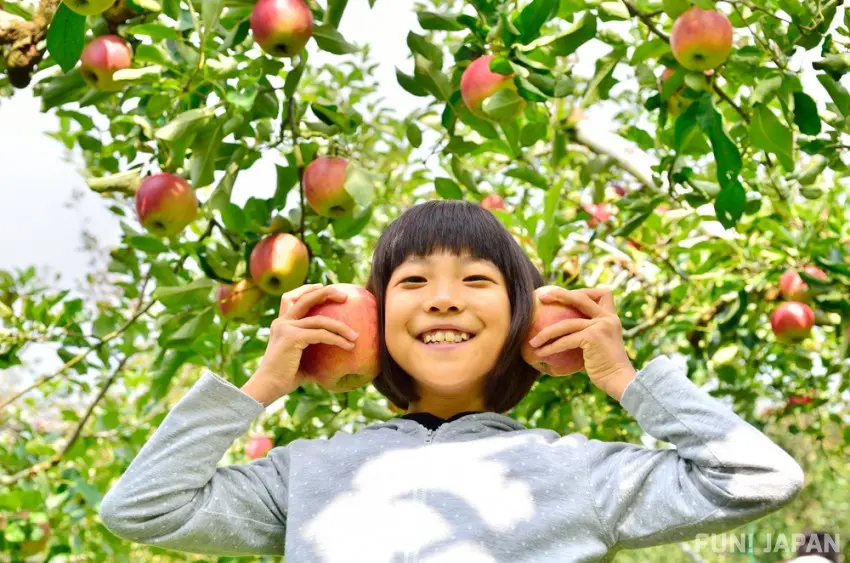
These charming Japanese fruit names are sweet, short, and melodic — perfect for pets, fictional characters, or even product branding. Each name reflects cuteness, color, or flavor, inspired by Japan’s love for delicate fruits like peach, plum, and strawberry.
- Momo
• Meaning: Peach
• Pronunciation: moh-moh
• Kanji: 桃 - Ichigo
• Meaning: Strawberry
• Pronunciation: ee-chee-go
• Kanji: 苺 - Sakuranbo
• Meaning: Cherry
• Pronunciation: sah-koo-rahn-boh
• Kanji: 桜んぼ - Kaki
• Meaning: Persimmon
• Pronunciation: kah-kee
• Kanji: 柿 - Ringo
• Meaning: Apple
• Pronunciation: reen-go
• Kanji: 林檎 - Yuzu
• Meaning: Citrus fruit
• Pronunciation: yoo-zoo
• Kanji: 柚子 - Ume
• Meaning: Plum blossom
• Pronunciation: oo-meh
• Kanji: 梅 - Mikan
• Meaning: Mandarin orange
• Pronunciation: mee-kahn
• Kanji: 蜜柑 - Sumomo
• Meaning: Japanese plum
• Pronunciation: soo-moh-moh
• Kanji: 李 - Anzu
• Meaning: Apricot
• Pronunciation: ahn-zoo
• Kanji: 杏 - Kurin
• Meaning: Chestnut fruit
• Pronunciation: koo-reen
• Kanji: 栗 - Budo
• Meaning: Grape
• Pronunciation: boo-doh
• Kanji: 葡萄 - Ichii
• Meaning: Japanese yew berry
• Pronunciation: ee-chee-ee
• Kanji: 一位 - Nashi
• Meaning: Pear
• Pronunciation: nah-shee
• Kanji: 梨 - Biwa
• Meaning: Loquat fruit
• Pronunciation: bee-wah
• Kanji: 枇杷 - Yamomo
• Meaning: Mountain peach
• Pronunciation: yah-moh-moh
• Kanji: 山桃 - Karin
• Meaning: Quince
• Pronunciation: kah-reen
• Kanji: 花梨 - Akebi
• Meaning: Chocolate vine fruit
• Pronunciation: ah-keh-bee
• Kanji: 木通 - Satsuma
• Meaning: Citrus satsuma
• Pronunciation: saht-soo-mah
• Kanji: 薩摩 - Himeume
• Meaning: Little plum
• Pronunciation: hee-meh-oo-meh
• Kanji: 姫梅 - Mizunashi
• Meaning: Dew pear
• Pronunciation: mee-zoo-nah-shee
• Kanji: 水梨 - Ranka
• Meaning: Orchid fruit
• Pronunciation: rahn-kah
• Kanji: 蘭果 - Sakuraimo
• Meaning: Cherry potato
• Pronunciation: sah-koo-rah-ee-moh
• Kanji: 桜芋 - Yomogi
• Meaning: Mugwort herb
• Pronunciation: yoh-moh-gee
• Kanji: 蓬 - Hasu
• Meaning: Lotus root fruit
• Pronunciation: hah-soo
• Kanji: 蓮 - Amane
• Meaning: Sweet sound
• Pronunciation: ah-mah-neh
• Kanji: 甘音 - Karinzu
• Meaning: Apricot citrus
• Pronunciation: kah-reen-zoo
• Kanji: 花橙 - Miyuzu
• Meaning: Gentle citrus
• Pronunciation: mee-yoo-zoo
• Kanji: 美柚 - Sakumikan
• Meaning: Blossom orange
• Pronunciation: sah-koo-mee-kahn
• Kanji: 咲蜜柑 - Natsume
• Meaning: Jujube fruit
• Pronunciation: naht-soo-meh
• Kanji: 棗 - Aomi
• Meaning: Blue fruit
• Pronunciation: ah-oh-mee
• Kanji: 青実 - Hikari
• Meaning: Light fruit
• Pronunciation: hee-kah-ree
• Kanji: 光実 - Kumomi
• Meaning: Cloud berry
• Pronunciation: koo-moh-mee
• Kanji: 雲実 - Momoka
• Meaning: Peach flower
• Pronunciation: moh-moh-kah
• Kanji: 桃花 - Ichika
• Meaning: Strawberry blossom
• Pronunciation: ee-chee-kah
• Kanji: 苺花 - Yuzuna
• Meaning: Citrus harmony
• Pronunciation: yoo-zoo-nah
• Kanji: 柚菜 - Mikako
• Meaning: Beautiful fruit
• Pronunciation: mee-kah-koh
• Kanji: 美果子 - Sorami
• Meaning: Sky fruit
• Pronunciation: soh-rah-mee
• Kanji: 空実 - Tsubomi
• Meaning: Bud or blossom
• Pronunciation: tsoo-boh-mee
• Kanji: 蕾 - Amemi
• Meaning: Sweet rain fruit
• Pronunciation: ah-meh-mee
• Kanji: 甘実 - Hinomi
• Meaning: Sun fruit
• Pronunciation: hee-noh-mee
• Kanji: 陽実 - Sasami
• Meaning: Bamboo fruit
• Pronunciation: sah-sah-mee
• Kanji: 笹実 - Mizuki
• Meaning: Water fruit
• Pronunciation: mee-zoo-kee
• Kanji: 水実 - Ayumi
• Meaning: Sweet steps
• Pronunciation: ah-yoo-mee
• Kanji: 歩美 - Himari
• Meaning: Sunny fruit
• Pronunciation: hee-mah-ree
• Kanji: 陽果 - Rinami
• Meaning: Apple ocean
• Pronunciation: ree-nah-mee
• Kanji: 林海 - Sonomi
• Meaning: Garden fruit
• Pronunciation: soh-noh-mee
• Kanji: 園実 - Tamari
• Meaning: Jewel fruit
• Pronunciation: tah-mah-ree
• Kanji: 玉果 - Kohana
• Meaning: Little flower
• Pronunciation: koh-hah-nah
• Kanji: 小花 - Nanami
• Meaning: Seven fruits
• Pronunciation: nah-nah-mee
• Kanji: 七実
Japanese Fruit Names For Girls
These feminine fruit names capture grace, sweetness, and charm. In Japan, fruits often symbolize beauty, purity, and kindness — making them perfect inspirations for girl names with a soft yet powerful tone.
1. Mikanne
• Meaning: Sweet orange
• Pronunciation: mee-kahn-neh
• Kanji: 蜜甘音
2. Rinako
• Meaning: Apple child
• Pronunciation: ree-nah-koh
• Kanji: 林果子
3. Umena
• Meaning: Plum blossom
• Pronunciation: oo-meh-nah
• Kanji: 梅菜
4. Anzuko
• Meaning: Apricot girl
• Pronunciation: ahn-zoo-koh
• Kanji: 杏子
5. Momoka
• Meaning: Peach flower
• Pronunciation: moh-moh-kah
• Kanji: 桃花
6. Ichina
• Meaning: Strawberry greens
• Pronunciation: ee-chee-nah
• Kanji: 苺菜
7. Yuzuri
• Meaning: Citrus lily
• Pronunciation: yoo-zoo-ree
• Kanji: 柚里
8. Karina
• Meaning: Quince fragrance
• Pronunciation: kah-ree-nah
• Kanji: 花梨那
9. Mizuka
• Meaning: Water fruit
• Pronunciation: mee-zoo-kah
• Kanji: 水果
10. Sakuna
• Meaning: Blooming fruit
• Pronunciation: sah-koo-nah
• Kanji: 咲果
11. Hinata
• Meaning: Sunny field fruit
• Pronunciation: hee-nah-tah
• Kanji: 陽果田
12. Kumina
• Meaning: Cloud fruit
• Pronunciation: koo-mee-nah
• Kanji: 雲果
13. Amika
• Meaning: Sweet blossom
• Pronunciation: ah-mee-kah
• Kanji: 甘花
14. Rumia
• Meaning: Berry dream
• Pronunciation: roo-mee-ah
• Kanji: 瑠実亜
15. Ayuka
• Meaning: Fresh fruit fragrance
• Pronunciation: ah-yoo-kah
• Kanji: 香果
16. Sayumi
• Meaning: Little citrus beauty
• Pronunciation: sah-yoo-mee
• Kanji: 小柚美
17. Tomone
• Meaning: Peach sound
• Pronunciation: toh-moh-neh
• Kanji: 桃音
18. Haruka
• Meaning: Spring fruit
• Pronunciation: hah-roo-kah
• Kanji: 春果
19. Miyuri
• Meaning: Gentle citrus village
• Pronunciation: mee-yoo-ree
• Kanji: 美柚里
20. Sonomi
• Meaning: Garden fruit
• Pronunciation: soh-noh-mee
• Kanji: 園実
21. Ririka
• Meaning: Pear blossom
• Pronunciation: ree-ree-kah
• Kanji: 梨花
22. Natsuki
• Meaning: Summer fruit
• Pronunciation: naht-soo-kee
• Kanji: 夏実
23. Himiko
• Meaning: Princess of fruit
• Pronunciation: hee-mee-koh
• Kanji: 果姫子
24. Ameha
• Meaning: Sweet leaf
• Pronunciation: ah-meh-hah
• Kanji: 甘葉
25. Sukina
• Meaning: Beloved fruit
• Pronunciation: soo-kee-nah
• Kanji: 好果
26. Meika
• Meaning: Bright fruit
• Pronunciation: meh-ee-kah
• Kanji: 明果
27. Riona
• Meaning: Pear melody
• Pronunciation: ree-oh-nah
• Kanji: 梨音菜
28. Hikari
• Meaning: Shining fruit
• Pronunciation: hee-kah-ree
• Kanji: 光果
29. Sumire
• Meaning: Violet berry
• Pronunciation: soo-mee-reh
• Kanji: 菫果
30. Mairi
• Meaning: True pear
• Pronunciation: mah-ee-ree
• Kanji: 真梨
31. Yumeno
• Meaning: Dream fruit
• Pronunciation: yoo-meh-noh
• Kanji: 夢果
32. Aorina
• Meaning: Green apple
• Pronunciation: ah-oh-ree-nah
• Kanji: 青林奈
33. Fuyuna
• Meaning: Winter pear
• Pronunciation: foo-yoo-nah
• Kanji: 冬梨
34. Kohanae
• Meaning: Little blossom fruit
• Pronunciation: koh-hah-neh-eh
• Kanji: 小花果
35. Yuzuki
• Meaning: Citrus moon
• Pronunciation: yoo-zoo-kee
• Kanji: 柚月
36. Nanaka
• Meaning: Seven flowers
• Pronunciation: nah-nah-kah
• Kanji: 七花
37. Arimi
• Meaning: Sweet fruit beauty
• Pronunciation: ah-ree-mee
• Kanji: 有実美
38. Harumi
• Meaning: Spring fruit beauty
• Pronunciation: hah-roo-mee
• Kanji: 春実
39. Mizuno
• Meaning: Water fruit field
• Pronunciation: mee-zoo-noh
• Kanji: 水野
40. Ayana
• Meaning: Fragrant fruit
• Pronunciation: ah-yah-nah
• Kanji: 香菜
41. Sakurae
• Meaning: Cherry blessing
• Pronunciation: sah-koo-rah-eh
• Kanji: 桜恵
42. Renna
• Meaning: Lotus fruit
• Pronunciation: rehn-nah
• Kanji: 蓮果
43. Momina
• Meaning: Sweet peach
• Pronunciation: moh-mee-nah
• Kanji: 桃美菜
44. Yurina
• Meaning: Lily fruit
• Pronunciation: yoo-ree-nah
• Kanji: 百合果
45. Kokoa
• Meaning: Cocoa fruit
• Pronunciation: koh-koh-ah
• Kanji: 可可亜
46. Sakumi
• Meaning: Blooming fruit beauty
• Pronunciation: sah-koo-mee
• Kanji: 咲美果
47. Minoa
• Meaning: Fruit of beauty
• Pronunciation: mee-noh-ah
• Kanji: 美果乃
48. Reina
• Meaning: Wise fruit
• Pronunciation: reh-ee-nah
• Kanji: 玲果
49. Yumika
• Meaning: Dream fruit fragrance
• Pronunciation: yoo-mee-kah
• Kanji: 夢香果
50. Harina
• Meaning: Spring pear
• Pronunciation: hah-ree-nah
• Kanji: 春梨
Japanese Fruit Names For Boys
Japanese fruit-inspired names for boys often symbolize strength, resilience, and balance — connecting the calm of nature with masculine spirit. These names carry deep meanings drawn from fruits and trees that represent vitality and abundance.
1. Daigo
• Meaning: Great fruit
• Pronunciation: dye-goh
• Kanji: 大果
2. Kaito
• Meaning: Ocean fruit
• Pronunciation: kye-toh
• Kanji: 海果
3. Rento
• Meaning: Lotus fruit
• Pronunciation: rehn-toh
• Kanji: 蓮果
4. Haruto
• Meaning: Sun fruit
• Pronunciation: hah-roo-toh
• Kanji: 陽果
5. Akira
• Meaning: Bright fruit
• Pronunciation: ah-kee-rah
• Kanji: 明果
6. Minato
• Meaning: Harbor fruit
• Pronunciation: mee-nah-toh
• Kanji: 港果
7. Ryuhei
• Meaning: Dragon pear
• Pronunciation: ryoo-heh
• Kanji: 龍梨
8. Tsubasa
• Meaning: Winged fruit
• Pronunciation: tsoo-bah-sah
• Kanji: 翼果
9. Naoto
• Meaning: Honest fruit
• Pronunciation: nah-oh-toh
• Kanji: 直果
10. Masaki
• Meaning: True blossom fruit
• Pronunciation: mah-sah-kee
• Kanji: 真咲果
11. Takumi
• Meaning: Artisan fruit
• Pronunciation: tah-koo-mee
• Kanji: 匠果
12. Reiji
• Meaning: Wise fruit
• Pronunciation: ray-jee
• Kanji: 玲果
13. Rikuto
• Meaning: Land fruit
• Pronunciation: ree-koo-toh
• Kanji: 陸果
14. Hinari
• Meaning: Sun pear
• Pronunciation: hee-nah-ree
• Kanji: 陽梨
15. Tomoya
• Meaning: Friend fruit
• Pronunciation: toh-moh-yah
• Kanji: 友果
16. Souta
• Meaning: Heavenly fruit
• Pronunciation: soh-tah
• Kanji: 蒼果
17. Keita
• Meaning: Blessed fruit
• Pronunciation: keh-ee-tah
• Kanji: 恵果
18. Hiroto
• Meaning: Expansive fruit
• Pronunciation: hee-roh-toh
• Kanji: 寛果
19. Tsubaki
• Meaning: Camellia fruit
• Pronunciation: tsoo-bah-kee
• Kanji: 椿果
20. Rihito
• Meaning: Clever pear
• Pronunciation: ree-hee-toh
• Kanji: 理梨
21. Makoto
• Meaning: True fruit
• Pronunciation: mah-koh-toh
• Kanji: 真果
22. Koharu
• Meaning: Small spring fruit
• Pronunciation: koh-hah-roo
• Kanji: 小春果
23. Takashi
• Meaning: Noble fruit
• Pronunciation: tah-kah-shee
• Kanji: 隆果
24. Rikuto
• Meaning: Fruit of land
• Pronunciation: ree-koo-toh
• Kanji: 陸実
25. Aoto
• Meaning: Blue fruit
• Pronunciation: ah-oh-toh
• Kanji: 青果
26. Satoru
• Meaning: Enlightened fruit
• Pronunciation: sah-toh-roo
• Kanji: 悟果
27. Masato
• Meaning: Honest fruit
• Pronunciation: mah-sah-toh
• Kanji: 正果
28. Renji
• Meaning: Lotus second
• Pronunciation: rehn-jee
• Kanji: 蓮次
29. Taichi
• Meaning: Great wisdom fruit
• Pronunciation: tie-chee
• Kanji: 大智果
30. Yuuma
• Meaning: Gentle fruit
• Pronunciation: yoo-mah
• Kanji: 優果
31. Kazuto
• Meaning: Peace fruit
• Pronunciation: kah-zoo-toh
• Kanji: 和果
32. Rento
• Meaning: Lotus bloom
• Pronunciation: rehn-toh
• Kanji: 蓮花
33. Tatsuo
• Meaning: Dragon fruit man
• Pronunciation: taht-soo-oh
• Kanji: 龍果男
34. Ryoma
• Meaning: Noble dragon fruit
• Pronunciation: ryoh-mah
• Kanji: 龍真果
35. Itsuki
• Meaning: Tree fruit
• Pronunciation: eet-soo-kee
• Kanji: 樹果
36. Naoya
• Meaning: Honest fruit field
• Pronunciation: nah-oh-yah
• Kanji: 直谷果
37. Shunpei
• Meaning: Swift fruit
• Pronunciation: shoon-peh
• Kanji: 俊果
38. Raita
• Meaning: Clever fruit
• Pronunciation: rye-tah
• Kanji: 賢果
39. Haruki
• Meaning: Spring fruit tree
• Pronunciation: hah-roo-kee
• Kanji: 春樹果
40. Renzo
• Meaning: Lotus man
• Pronunciation: rehn-zoh
• Kanji: 蓮蔵
41. Daiki
• Meaning: Great tree fruit
• Pronunciation: dye-kee
• Kanji: 大樹果
42. Yuto
• Meaning: Gentle fruit person
• Pronunciation: yoo-toh
• Kanji: 優人果
43. Sosuke
• Meaning: Fresh fruit helper
• Pronunciation: soh-soo-keh
• Kanji: 壮助果
44. Kyohei
• Meaning: Respectful fruit
• Pronunciation: kye-oh-heh
• Kanji: 恭平果
45. Aritomo
• Meaning: Blessed fruit friend
• Pronunciation: ah-ree-toh-moh
• Kanji: 有友果
46. Taigo
• Meaning: Great fruit child
• Pronunciation: tie-goh
• Kanji: 大児果
47. Junpei
• Meaning: Pure fruit
• Pronunciation: joon-peh
• Kanji: 純果
48. Kenshin
• Meaning: Modest fruit
• Pronunciation: kehn-sheen
• Kanji: 謙心果
49. Ryohei
• Meaning: Good fruit
• Pronunciation: ryoh-heh
• Kanji: 良平果
50. Hayato
• Meaning: Swift fruit
• Pronunciation: hah-yah-toh
• Kanji: 速果
Japanese Fruit Names For Babies
These Japanese fruit-inspired baby names carry a soft, soothing energy — reflecting nature’s innocence and life’s new beginnings. Ideal for real or fictional infants, they’re tender, melodic, and full of natural meaning.
1. Miyuna
• Meaning: Gentle citrus
• Pronunciation: mee-yoo-nah
• Kanji: 美柚菜
2. Harumi
• Meaning: Spring fruit
• Pronunciation: hah-roo-mee
• Kanji: 春実
3. Aonami
• Meaning: Blue wave fruit
• Pronunciation: ah-oh-nah-mee
• Kanji: 青波果
4. Rinari
• Meaning: Apple village
• Pronunciation: ree-nah-ree
• Kanji: 林里
5. Ayumi
• Meaning: Sweet steps
• Pronunciation: ah-yoo-mee
• Kanji: 歩美果
6. Himari
• Meaning: Sunny fruit
• Pronunciation: hee-mah-ree
• Kanji: 陽果
7. Nozomi
• Meaning: Hope fruit
• Pronunciation: noh-zoh-mee
• Kanji: 望果
8. Sakino
• Meaning: Blossom field
• Pronunciation: sah-kee-noh
• Kanji: 咲野
9. Umeka
• Meaning: Plum blossom fragrance
• Pronunciation: oo-meh-kah
• Kanji: 梅香
10. Kairi
• Meaning: Sea pear
• Pronunciation: kye-ree
• Kanji: 海梨
11. Nanaka
• Meaning: Seven flowers
• Pronunciation: nah-nah-kah
• Kanji: 七花
12. Reina
• Meaning: Wise fruit
• Pronunciation: reh-ee-nah
• Kanji: 玲果
13. Asumi
• Meaning: Morning fruit
• Pronunciation: ah-soo-mee
• Kanji: 朝果
14. Tsubomi
• Meaning: Bud fruit
• Pronunciation: tsoo-boh-mee
• Kanji: 蕾果
15. Hinami
• Meaning: Sun fruit
• Pronunciation: hee-nah-mee
• Kanji: 陽実
16. Rinka
• Meaning: Pear flower
• Pronunciation: reen-kah
• Kanji: 梨花
17. Amane
• Meaning: Sweet sound
• Pronunciation: ah-mah-neh
• Kanji: 甘音
18. Mizuna
• Meaning: Water greens
• Pronunciation: mee-zoo-nah
• Kanji: 水菜
19. Airi
• Meaning: Love pear
• Pronunciation: eye-ree
• Kanji: 愛梨
20. Sonomi
• Meaning: Garden fruit
• Pronunciation: soh-noh-mee
• Kanji: 園実
21. Miona
• Meaning: Beautiful fruit
• Pronunciation: mee-oh-nah
• Kanji: 美果奈
22. Yuzuki
• Meaning: Citrus moon
• Pronunciation: yoo-zoo-kee
• Kanji: 柚月
23. Momika
• Meaning: Peach fragrance
• Pronunciation: moh-mee-kah
• Kanji: 桃香
24. Aohana
• Meaning: Blue blossom
• Pronunciation: ah-oh-hah-nah
• Kanji: 青花
25. Sakuna
• Meaning: Blooming fruit
• Pronunciation: sah-koo-nah
• Kanji: 咲果
26. Natsumi
• Meaning: Summer fruit
• Pronunciation: naht-soo-mee
• Kanji: 夏実
27. Koharu
• Meaning: Little spring
• Pronunciation: koh-hah-roo
• Kanji: 小春
28. Hikari
• Meaning: Light fruit
• Pronunciation: hee-kah-ree
• Kanji: 光果
29. Rento
• Meaning: Lotus fruit
• Pronunciation: rehn-toh
• Kanji: 蓮果
30. Mizuto
• Meaning: Water fruit boy
• Pronunciation: mee-zoo-toh
• Kanji: 水果人
31. Souta
• Meaning: Blue fruit
• Pronunciation: soh-tah
• Kanji: 蒼果
32. Yuto
• Meaning: Gentle fruit
• Pronunciation: yoo-toh
• Kanji: 優果
33. Haruto
• Meaning: Sun fruit
• Pronunciation: hah-roo-toh
• Kanji: 陽果
34. Keina
• Meaning: Blessed fruit
• Pronunciation: keh-ee-nah
• Kanji: 恵果
35. Renna
• Meaning: Lotus fruit
• Pronunciation: rehn-nah
• Kanji: 蓮果
36. Komae
• Meaning: Little sprout
• Pronunciation: koh-mah-eh
• Kanji: 小芽
37. Hinari
• Meaning: Sun pear
• Pronunciation: hee-nah-ree
• Kanji: 陽梨
38. Minari
• Meaning: Gentle fruit
• Pronunciation: mee-nah-ree
• Kanji: 美成
39. Sakumi
• Meaning: Blooming beauty
• Pronunciation: sah-koo-mee
• Kanji: 咲美
40. Tamari
• Meaning: Jewel fruit
• Pronunciation: tah-mah-ree
• Kanji: 玉果
41. Honomi
• Meaning: Fragrant fruit
• Pronunciation: hoh-noh-mee
• Kanji: 芳実
42. Ayana
• Meaning: Fragrant fruit
• Pronunciation: ah-yah-nah
• Kanji: 香菜
43. Riona
• Meaning: Pear melody
• Pronunciation: ree-oh-nah
• Kanji: 梨音菜
44. Yurina
• Meaning: Lily fruit
• Pronunciation: yoo-ree-nah
• Kanji: 百合果
45. Miyako
• Meaning: Beautiful child fruit
• Pronunciation: mee-yah-koh
• Kanji: 美子果
46. Hiyori
• Meaning: Sunny day fruit
• Pronunciation: hee-yoh-ree
• Kanji: 日和果
47. Airiho
• Meaning: Love pear blessing
• Pronunciation: eye-ree-hoh
• Kanji: 愛梨穂
48. Rumia
• Meaning: Berry dream
• Pronunciation: roo-mee-ah
• Kanji: 瑠実亜
49. Akemi
• Meaning: Bright fruit beauty
• Pronunciation: ah-keh-mee
• Kanji: 明実美
50. Sorami
• Meaning: Sky fruit
• Pronunciation: soh-rah-mee
• Kanji: 空実
One Piece Japanese Fruit Names
In One Piece, “Devil Fruits” (Akuma no Mi) grant characters extraordinary powers. These fictional fruits often use creative Japanese naming styles blending nature, fantasy, and humor. Here’s a list of fan-inspired One Piece-style Japanese fruit names with meanings and Kanji flavoring.
1. Gomu Gomu no Mi
• Meaning: Rubber Fruit
• Pronunciation: goh-moo goh-moo noh mee
• Kanji: ゴムゴムの実
2. Mera Mera no Mi
• Meaning: Flame Fruit
• Pronunciation: meh-rah meh-rah noh mee
• Kanji: メラメラの実
3. Hie Hie no Mi
• Meaning: Ice Fruit
• Pronunciation: hee-eh hee-eh noh mee
• Kanji: ヒエヒエの実
4. Pika Pika no Mi
• Meaning: Light Fruit
• Pronunciation: pee-kah pee-kah noh mee
• Kanji: ピカピカの実
5. Suna Suna no Mi
• Meaning: Sand Fruit
• Pronunciation: soo-nah soo-nah noh mee
• Kanji: スナスナの実
6. Yami Yami no Mi
• Meaning: Darkness Fruit
• Pronunciation: yah-mee yah-mee noh mee
• Kanji: ヤミヤミの実
7. Hana Hana no Mi
• Meaning: Flower Fruit
• Pronunciation: hah-nah hah-nah noh mee
• Kanji: ハナハナの実
8. Ope Ope no Mi
• Meaning: Operation Fruit
• Pronunciation: oh-peh oh-peh noh mee
• Kanji: オペオペの実
9. Noro Noro no Mi
• Meaning: Slow Fruit
• Pronunciation: noh-roh noh-roh noh mee
• Kanji: ノロノロの実
10. Horo Horo no Mi
• Meaning: Hollow Fruit
• Pronunciation: hoh-roh hoh-roh noh mee
• Kanji: ホロホロの実
11. Tori Tori no Mi
• Meaning: Bird Fruit
• Pronunciation: toh-ree toh-ree noh mee
• Kanji: トリトリの実
12. Bara Bara no Mi
• Meaning: Chop Fruit
• Pronunciation: bah-rah bah-rah noh mee
• Kanji: バラバラの実
13. Soru Soru no Mi
• Meaning: Soul Fruit
• Pronunciation: soh-roo soh-roo noh mee
• Kanji: ソルソルの実
14. Magu Magu no Mi
• Meaning: Magma Fruit
• Pronunciation: mah-goo mah-goo noh mee
• Kanji: マグマグの実
15. Gura Gura no Mi
• Meaning: Tremor Fruit
• Pronunciation: goo-rah goo-rah noh mee
• Kanji: グラグラの実
16. Toki Toki no Mi
• Meaning: Time Fruit
• Pronunciation: toh-kee toh-kee noh mee
• Kanji: トキトキの実
17. Ame Ame no Mi
• Meaning: Candy Fruit
• Pronunciation: ah-meh ah-meh noh mee
• Kanji: アメアメの実
18. Kaze Kaze no Mi
• Meaning: Wind Fruit
• Pronunciation: kah-zeh kah-zeh noh mee
• Kanji: カゼカゼの実
19. Mizu Mizu no Mi
• Meaning: Water Fruit
• Pronunciation: mee-zoo mee-zoo noh mee
• Kanji: ミズミズの実
20. Tera Tera no Mi
• Meaning: Earth Fruit
• Pronunciation: teh-rah teh-rah noh mee
• Kanji: テラテラの実
21. Inu Inu no Mi
• Meaning: Dog Fruit
• Pronunciation: ee-noo ee-noo noh mee
• Kanji: イヌイヌの実
22. Hito Hito no Mi
• Meaning: Human Fruit
• Pronunciation: hee-toh hee-toh noh mee
• Kanji: ヒトヒトの実
23. Neko Neko no Mi
• Meaning: Cat Fruit
• Pronunciation: neh-koh neh-koh noh mee
• Kanji: ネコネコの実
24. Tane Tane no Mi
• Meaning: Seed Fruit
• Pronunciation: tah-neh tah-neh noh mee
• Kanji: タネタネの実
25. Kumo Kumo no Mi
• Meaning: Cloud Fruit
• Pronunciation: koo-moh koo-moh noh mee
• Kanji: クモクモの実
26. Hoshi Hoshi no Mi
• Meaning: Star Fruit
• Pronunciation: hoh-shee hoh-shee noh mee
• Kanji: ホシホシの実
27. Yume Yume no Mi
• Meaning: Dream Fruit
• Pronunciation: yoo-meh yoo-meh noh mee
• Kanji: ユメユメの実
28. Mori Mori no Mi
• Meaning: Forest Fruit
• Pronunciation: moh-ree moh-ree noh mee
• Kanji: モリモリの実
29. Shio Shio no Mi
• Meaning: Salt Fruit
• Pronunciation: shee-oh shee-oh noh mee
• Kanji: シオシオの実
30. Nami Nami no Mi
• Meaning: Wave Fruit
• Pronunciation: nah-mee nah-mee noh mee
• Kanji: ナミナミの実
31. Tatsu Tatsu no Mi
• Meaning: Dragon Fruit
• Pronunciation: taht-soo taht-soo noh mee
• Kanji: タツタツの実
32. Mori Mori no Mi (Model: Tree)
• Meaning: Tree Fruit
• Pronunciation: moh-ree moh-ree noh mee
• Kanji: 森森の実
33. Kami Kami no Mi
• Meaning: God Fruit
• Pronunciation: kah-mee kah-mee noh mee
• Kanji: カミカミの実
34. Tama Tama no Mi
• Meaning: Jewel Fruit
• Pronunciation: tah-mah tah-mah noh mee
• Kanji: タマタマの実
35. Yuki Yuki no Mi
• Meaning: Snow Fruit
• Pronunciation: yoo-kee yoo-kee noh mee
• Kanji: ユキユキの実
36. Hane Hane no Mi
• Meaning: Feather Fruit
• Pronunciation: hah-neh hah-neh noh mee
• Kanji: ハネハネの実
37. Shine Shine no Mi
• Meaning: Radiant Fruit
• Pronunciation: shee-neh shee-neh noh mee
• Kanji: シャインシャインの実
38. Oro Oro no Mi
• Meaning: Gold Fruit
• Pronunciation: oh-roh oh-roh noh mee
• Kanji: オロオロの実
39. Kane Kane no Mi
• Meaning: Metal Fruit
• Pronunciation: kah-neh kah-neh noh mee
• Kanji: カネカネの実
40. Tsume Tsume no Mi
• Meaning: Claw Fruit
• Pronunciation: tsoo-meh tsoo-meh noh mee
• Kanji: ツメツメの実
41. Mado Mado no Mi
• Meaning: Window Fruit
• Pronunciation: mah-doh mah-doh noh mee
• Kanji: マドマドの実
42. Hoshi Hoshi no Mi (Model: Comet)
• Meaning: Comet Fruit
• Pronunciation: hoh-shee hoh-shee noh mee
• Kanji: 星星の実
43. Kage Kage no Mi
• Meaning: Shadow Fruit
• Pronunciation: kah-geh kah-geh noh mee
• Kanji: カゲカゲの実
44. Mera Mera no Mi (Flame Model)
• Meaning: Fire Fruit
• Pronunciation: meh-rah meh-rah noh mee
• Kanji: 火果の実
45. Neru Neru no Mi
• Meaning: Sleep Fruit
• Pronunciation: neh-roo neh-roo noh mee
• Kanji: ネルネルの実
46. Aka Aka no Mi
• Meaning: Red Fruit
• Pronunciation: ah-kah ah-kah noh mee
• Kanji: アカアカの実
47. Kuro Kuro no Mi
• Meaning: Black Fruit
• Pronunciation: koo-roh koo-roh noh mee
• Kanji: クロクロの実
48. Shiro Shiro no Mi
• Meaning: White Fruit
• Pronunciation: shee-roh shee-roh noh mee
• Kanji: シロシロの実
49. Hoshiro Hoshiro no Mi
• Meaning: Star-White Fruit
• Pronunciation: hoh-shee-roh hoh-shee-roh noh mee
• Kanji: ホシロホシロの実
50. Yume Yume no Mi (Model: Mirage)
• Meaning: Dream Illusion Fruit
• Pronunciation: yoo-meh yoo-meh noh mee
• Kanji: 夢夢の実
Conclusion
From traditional fruits like Momo (Peach) and Yuzu (Citrus) to creative gems like Yume Yume no Mi, Japanese fruit names capture a unique blend of sweetness, symbolism, and serenity. Whether you’re naming a baby, a character, or a fantasy creation, these names carry the freshness of nature and the poetry of culture.
Japanese names hold deep meanings — whether inspired by nature, colors, or culture, each reflects harmony and story. If you enjoyed exploring this list, you might also love discovering Japanese unisex name ideas, creative names that start with Z, C, D, or N, or meaningful collections like Japanese names connected to Earth and those inspired by the color purple. Each opens a new window into Japan’s poetic naming tradition.