300 Japanese “Clothing”Names: Old & Modern For Male & Female
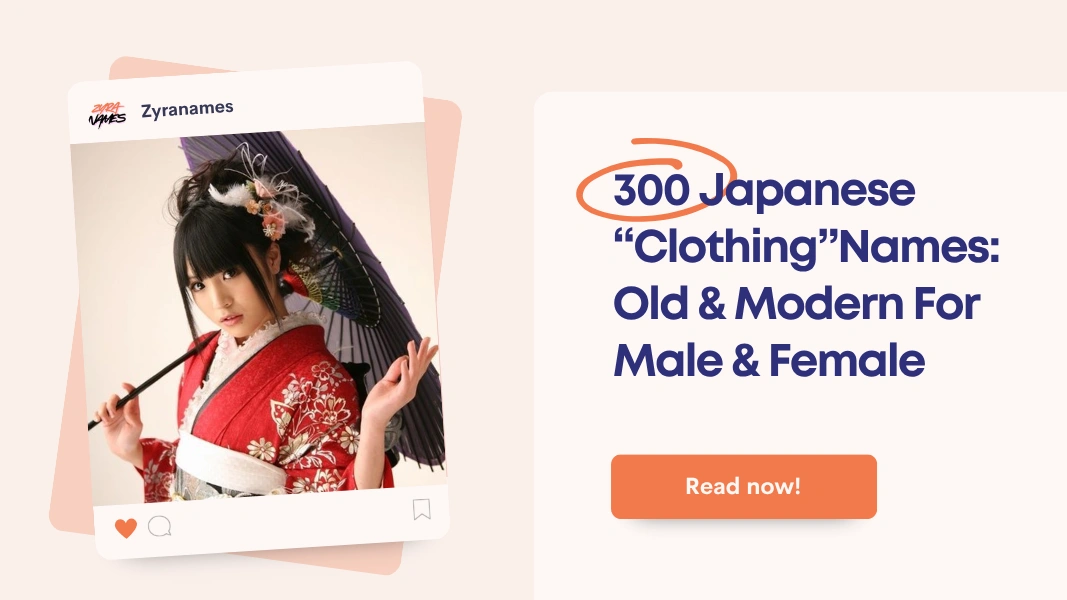
Japanese clothing is more than attire—it’s a living art form that mirrors history, discipline, and grace. From the precise folds of a kimono to the relaxed comfort of a yukata, each garment speaks volumes about the era and spirit it represents.
Whether you’re researching traditional fashion, designing a character, or exploring cultural roots, these Japanese clothing names offer insight into centuries of refined craftsmanship. Let’s begin with male Japanese clothing names, where elegance meets strength through fabric and form.
Japanese Clothing Names Male

Men’s Japanese clothing emphasizes simplicity, balance, and symbolism. From formal samurai robes to practical festival wear, these garments blend tradition with dignity. Below are 50 Japanese clothing names for males, complete with meanings, pronunciations, and kanji.
1. Kimono
• Meaning: Traditional robe
• Pronunciation: kee-mo-noh
• Kanji: 着物
2. Yukata
• Meaning: Summer robe
• Pronunciation: yoo-kah-tah
• Kanji: 浴衣
3. Hakama
• Meaning: Pleated trousers
• Pronunciation: hah-kah-mah
• Kanji: 袴
4. Montsuki
• Meaning: Formal kimono with crest
• Pronunciation: mon-tsu-kee
• Kanji: 紋付
5. Haori
• Meaning: Short jacket
• Pronunciation: hah-oh-ree
• Kanji: 羽織
6. Jinbei
• Meaning: Casual summer outfit
• Pronunciation: jeen-bay
• Kanji: 甚平
7. Samue
• Meaning: Work clothing
• Pronunciation: sah-moo-eh
• Kanji: 作務衣
8. Nagagi
• Meaning: Long under-kimono
• Pronunciation: nah-gah-gee
• Kanji: 長着
9. Fundoshi
• Meaning: Traditional loincloth
• Pronunciation: foon-doh-shee
• Kanji: 褌
10. Tebi
• Meaning: Hand protectors
• Pronunciation: teh-bee
• Kanji: 手被
11. Tabi
• Meaning: Split-toe socks
• Pronunciation: tah-bee
• Kanji: 足袋
12. Zori
• Meaning: Straw sandals
• Pronunciation: zo-ree
• Kanji: 草履
13. Geta
• Meaning: Wooden clogs
• Pronunciation: geh-tah
• Kanji: 下駄
14. Uwagi
• Meaning: Outer garment
• Pronunciation: oo-wah-gee
• Kanji: 上着
15. Kinchaku
• Meaning: Small pouch
• Pronunciation: keen-chah-koo
• Kanji: 巾着
16. Katsugi
• Meaning: Carrying garment
• Pronunciation: ka-tsu-gee
• Kanji: 担ぎ
17. Hanten
• Meaning: Short winter coat
• Pronunciation: hahn-ten
• Kanji: 半纏
18. Dotera
• Meaning: Padded coat
• Pronunciation: doh-teh-rah
• Kanji: 褞袍
19. Mawashi
• Meaning: Sumo belt
• Pronunciation: mah-wah-shee
• Kanji: 廻し
20. Hitatare
• Meaning: Samurai attire
• Pronunciation: hee-tah-tah-reh
• Kanji: 直垂
21. Kataginu
• Meaning: Sleeveless jacket
• Pronunciation: kah-tah-gee-noo
• Kanji: 肩衣
22. Juban
• Meaning: Undergarment
• Pronunciation: joo-bahn
• Kanji: 襦袢
23. Tsumugi
• Meaning: Handwoven silk
• Pronunciation: tsoo-moo-gee
• Kanji: 紬
24. Koromo
• Meaning: Monk robe
• Pronunciation: koh-roh-moh
• Kanji: 衣
25. Fudangi
• Meaning: Casual wear
• Pronunciation: foo-dahn-gee
• Kanji: 普段着
26. Shitagi
• Meaning: Undershirt
• Pronunciation: shee-tah-gee
• Kanji: 下着
27. Nagajuban
• Meaning: Long undergarment
• Pronunciation: nah-gah-joo-bahn
• Kanji: 長襦袢
28. Hifu
• Meaning: Padded vest
• Pronunciation: hee-foo
• Kanji: 被布
29. Kesa
• Meaning: Buddhist robe
• Pronunciation: keh-sah
• Kanji: 袈裟
30. Tanzen
• Meaning: Padded kimono
• Pronunciation: tahn-zen
• Kanji: 丹前
31. Sodenashi
• Meaning: Vest without sleeves
• Pronunciation: soh-deh-nah-shee
• Kanji: 袖無し
32. Kappōgi
• Meaning: Apron robe
• Pronunciation: kah-poh-gee
• Kanji: 割烹着
33. Kikko
• Meaning: Armor-style jacket
• Pronunciation: keek-koh
• Kanji: 亀甲
34. Uwabaki
• Meaning: Indoor slippers
• Pronunciation: oo-wah-bah-kee
• Kanji: 上履き
35. Hōmongi
• Meaning: Visiting wear
• Pronunciation: hoh-mohn-gee
• Kanji: 訪問着
36. Koshimaki
• Meaning: Waist wrap
• Pronunciation: koh-shee-mah-kee
• Kanji: 腰巻
37. Shiroshozoku
• Meaning: White ritual robe
• Pronunciation: shee-roh-shoh-zoh-koo
• Kanji: 白装束
38. Yamabushi Shōzoku
• Meaning: Mountain priest robe
• Pronunciation: yah-mah-boo-shee show-zoh-koo
• Kanji: 山伏装束
39. Suikan
• Meaning: Heian casual robe
• Pronunciation: soo-ee-kahn
• Kanji: 水干
40. Karaori
• Meaning: Brocade costume
• Pronunciation: kah-rah-oh-ree
• Kanji: 唐織
41. Mikoshi Goshōzoku
• Meaning: Festival attire
• Pronunciation: mee-koh-shee goh-show-zoh-koo
• Kanji: 神輿御装束
42. Chihaya
• Meaning: Court dancer robe
• Pronunciation: chee-hah-yah
• Kanji: 千早
43. Kazaori Eboshi
• Meaning: Folded hat cap
• Pronunciation: kah-zah-oh-ree eh-bo-shee
• Kanji: 折烏帽子
44. Naga-bakama
• Meaning: Long hakama pants
• Pronunciation: nah-gah-bah-kah-mah
• Kanji: 長袴
45. Shitagasane
• Meaning: Layered innerwear
• Pronunciation: shee-tah-gah-sah-neh
• Kanji: 下重ね
46. Mizugoromo
• Meaning: Thin robe for monks
• Pronunciation: mee-zoo-goh-roh-moh
• Kanji: 水衣
47. Hōeki
• Meaning: Ceremonial robe
• Pronunciation: hoh-eh-kee
• Kanji: 法衣
48. Kogai
• Meaning: Armor accessory
• Pronunciation: koh-gah-ee
• Kanji: 笄
49. Tate-eboshi
• Meaning: Tall headwear
• Pronunciation: tah-teh eh-bo-shee
• Kanji: 立烏帽子
50. Katsura Obi
• Meaning: Wig belt sash
• Pronunciation: kaht-soo-rah oh-bee
• Kanji: 桂帯
Japanese Clothing Names Female
Japanese women’s clothing beautifully blends elegance, modesty, and artistic detail. Each layer, pattern, and fabric symbolizes grace, season, and status. From delicate ceremonial robes to everyday kimonos, these garments carry centuries of style and meaning. Below are 50 female Japanese clothing names, complete with meanings, pronunciations, and kanji.
1. Furisode
• Meaning: Long-sleeved kimono
• Pronunciation: foo-ree-so-deh
• Kanji: 振袖
2. Uchikake
• Meaning: Bridal outer kimono
• Pronunciation: oo-chee-kah-keh
• Kanji: 打掛
3. Tomesode
• Meaning: Formal kimono for married women
• Pronunciation: toh-meh-so-deh
• Kanji: 留袖
4. Kakeshita
• Meaning: Wedding kimono underlayer
• Pronunciation: kah-keh-shee-tah
• Kanji: 掛下
5. Houmongi
• Meaning: Visiting kimono
• Pronunciation: hoh-mohn-gee
• Kanji: 訪問着
6. Komon
• Meaning: Small-pattern kimono
• Pronunciation: koh-mohn
• Kanji: 小紋
7. Iromuji
• Meaning: Single-color kimono
• Pronunciation: ee-roh-moo-jee
• Kanji: 色無地
8. Tsukesage
• Meaning: Semi-formal patterned kimono
• Pronunciation: tsoo-keh-sah-geh
• Kanji: 付け下げ
9. Susohiki
• Meaning: Long trailing kimono
• Pronunciation: soo-soh-hee-kee
• Kanji: 裾引き
10. Hikizuri
• Meaning: Long trailing dress
• Pronunciation: hee-kee-zoo-ree
• Kanji: 引きずり
11. Mofuku
• Meaning: Mourning kimono
• Pronunciation: moh-foo-koo
• Kanji: 喪服
12. Uchigi
• Meaning: Inner robe
• Pronunciation: oo-chee-gee
• Kanji: 打衣
13. Karaginu
• Meaning: Short ceremonial jacket
• Pronunciation: kah-rah-gee-noo
• Kanji: 唐衣
14. Mo
• Meaning: Skirt-like court garment
• Pronunciation: moh
• Kanji: 裳
15. Kosode
• Meaning: Short-sleeved kimono
• Pronunciation: koh-so-deh
• Kanji: 小袖
16. Katsura
• Meaning: Wig for formal wear
• Pronunciation: kaht-soo-rah
• Kanji: 桂
17. Obi
• Meaning: Kimono sash
• Pronunciation: oh-bee
• Kanji: 帯
18. Obiage
• Meaning: Obi scarf accessory
• Pronunciation: oh-bee-ah-geh
• Kanji: 帯揚げ
19. Obijime
• Meaning: Cord for obi
• Pronunciation: oh-bee-jee-meh
• Kanji: 帯締め
20. Haneri
• Meaning: Decorative collar
• Pronunciation: hah-neh-ree
• Kanji: 半襟
21. Datejime
• Meaning: Waist under-sash
• Pronunciation: dah-teh-jee-meh
• Kanji: 伊達締め
22. Nagajuban
• Meaning: Under-kimono
• Pronunciation: nah-gah-joo-bahn
• Kanji: 長襦袢
23. Susoyoke
• Meaning: Underskirt
• Pronunciation: soo-soh-yoh-keh
• Kanji: 裾除け
24. Hadajuban
• Meaning: Inner slip
• Pronunciation: hah-dah-joo-bahn
• Kanji: 肌襦袢
25. Michiyuki
• Meaning: Overcoat for travel
• Pronunciation: mee-chee-yoo-kee
• Kanji: 道行
26. Haori
• Meaning: Short jacket
• Pronunciation: hah-oh-ree
• Kanji: 羽織
27. Fukuromon
• Meaning: Embroidered pouch dress
• Pronunciation: foo-koo-roh-mohn
• Kanji: 袋紋
28. Hanhaba Obi
• Meaning: Half-width sash
• Pronunciation: hahn-hah-bah oh-bee
• Kanji: 半幅帯
29. Maru Obi
• Meaning: Formal full-width sash
• Pronunciation: mah-roo oh-bee
• Kanji: 丸帯
30. Fukuro Obi
• Meaning: Brocade obi sash
• Pronunciation: foo-koo-roh oh-bee
• Kanji: 袋帯
31. Nagoya Obi
• Meaning: Everyday obi style
• Pronunciation: nah-goh-yah oh-bee
• Kanji: 名古屋帯
32. Shigoki Obi
• Meaning: Decorative under sash
• Pronunciation: shee-goh-kee oh-bee
• Kanji: しごき帯
33. Kasane
• Meaning: Layered robes
• Pronunciation: kah-sah-neh
• Kanji: 襲
34. Kanzashi
• Meaning: Hair ornament
• Pronunciation: kahn-zah-shee
• Kanji: 簪
35. Kanzashi-bana
• Meaning: Floral hairpin
• Pronunciation: kahn-zah-shee bah-nah
• Kanji: 簪花
36. Tsunokakushi
• Meaning: Bridal head covering
• Pronunciation: tsoo-noh-kah-koo-shee
• Kanji: 角隠し
37. Wataboshi
• Meaning: Wedding hood
• Pronunciation: wah-tah-boh-shee
• Kanji: 綿帽子
38. Zōri
• Meaning: Flat sandals
• Pronunciation: zoh-ree
• Kanji: 草履
39. Geta
• Meaning: Wooden clogs
• Pronunciation: geh-tah
• Kanji: 下駄
40. Tabi
• Meaning: Split-toe socks
• Pronunciation: tah-bee
• Kanji: 足袋
41. Uwabaki
• Meaning: Indoor slippers
• Pronunciation: oo-wah-bah-kee
• Kanji: 上履き
42. Kanzō
• Meaning: Silk underlayer
• Pronunciation: kahn-zoh
• Kanji: 絹装
43. Nishijin-ori
• Meaning: Kyoto brocade fabric
• Pronunciation: nee-shee-jeen oh-ree
• Kanji: 西陣織
44. Shigoki
• Meaning: Decorative trailing belt
• Pronunciation: shee-goh-kee
• Kanji: しごき
45. Kakeshita Obi
• Meaning: Bridal obi sash
• Pronunciation: kah-keh-shee-tah oh-bee
• Kanji: 掛下帯
46. Irotomesode
• Meaning: Colored formal kimono
• Pronunciation: ee-roh-toh-meh-so-deh
• Kanji: 色留袖
47. Furisode Obi
• Meaning: Youth kimono belt
• Pronunciation: foo-ree-so-deh oh-bee
• Kanji: 振袖帯
48. Sensu
• Meaning: Folding fan accessory
• Pronunciation: sen-soo
• Kanji: 扇子
49. Kasuri
• Meaning: Pattern-dyed fabric
• Pronunciation: kah-soo-ree
• Kanji: 絣
50. Kanzume
• Meaning: Decorative waist ornament
• Pronunciation: kahn-zoo-meh
• Kanji: 缶詰
Japanese Clothing Names Traditional

Traditional Japanese clothing represents timeless elegance and cultural identity. These garments were worn for ceremonies, festivals, and daily life, often symbolizing status and season. Their designs honor Japan’s deep appreciation for detail, harmony, and craftsmanship. Below are 50 traditional Japanese clothing names, complete with meanings, pronunciations, and kanji.
1. Kimono
• Meaning: Traditional robe
• Pronunciation: kee-mo-noh
• Kanji: 着物
2. Yukata
• Meaning: Light summer kimono
• Pronunciation: yoo-kah-tah
• Kanji: 浴衣
3. Hakama
• Meaning: Pleated skirt trousers
• Pronunciation: hah-kah-mah
• Kanji: 袴
4. Haori
• Meaning: Kimono jacket
• Pronunciation: hah-oh-ree
• Kanji: 羽織
5. Obi
• Meaning: Kimono sash belt
• Pronunciation: oh-bee
• Kanji: 帯
6. Nagajuban
• Meaning: Inner kimono
• Pronunciation: nah-gah-joo-bahn
• Kanji: 長襦袢
7. Furisode
• Meaning: Long-sleeved kimono
• Pronunciation: foo-ree-so-deh
• Kanji: 振袖
8. Uchikake
• Meaning: Bridal outer robe
• Pronunciation: oo-chee-kah-keh
• Kanji: 打掛
9. Kosode
• Meaning: Short-sleeved kimono
• Pronunciation: koh-so-deh
• Kanji: 小袖
10. Kataginu
• Meaning: Samurai sleeveless jacket
• Pronunciation: kah-tah-gee-noo
• Kanji: 肩衣
11. Hitatare
• Meaning: Two-piece samurai suit
• Pronunciation: hee-tah-tah-reh
• Kanji: 直垂
12. Kariginu
• Meaning: Hunting robe of nobles
• Pronunciation: kah-ree-gee-noo
• Kanji: 狩衣
13. Suikan
• Meaning: Informal Heian robe
• Pronunciation: soo-ee-kahn
• Kanji: 水干
14. Kesa
• Meaning: Buddhist monk robe
• Pronunciation: keh-sah
• Kanji: 袈裟
15. Koromo
• Meaning: Robe of monks
• Pronunciation: koh-roh-moh
• Kanji: 衣
16. Hifu
• Meaning: Padded vest
• Pronunciation: hee-foo
• Kanji: 被布
17. Hōeki
• Meaning: Ceremonial priest robe
• Pronunciation: hoh-eh-kee
• Kanji: 法衣
18. Jitoku
• Meaning: Monk’s teaching robe
• Pronunciation: jee-toh-koo
• Kanji: 事得衣
19. Junihitoe
• Meaning: Twelve-layered court gown
• Pronunciation: joo-nee-hee-toh-eh
• Kanji: 十二単
20. Mo
• Meaning: Skirt of court dress
• Pronunciation: moh
• Kanji: 裳
21. Karaginu Mo
• Meaning: Formal court attire
• Pronunciation: kah-rah-gee-noo moh
• Kanji: 唐衣裳
22. Chihaya
• Meaning: Court dancer’s robe
• Pronunciation: chee-hah-yah
• Kanji: 千早
23. Fudangi
• Meaning: Everyday casual kimono
• Pronunciation: foo-dahn-gee
• Kanji: 普段着
24. Michiyuki
• Meaning: Travel overcoat
• Pronunciation: mee-chee-yoo-kee
• Kanji: 道行
25. Hanten
• Meaning: Short winter jacket
• Pronunciation: hahn-ten
• Kanji: 半纏
26. Dotera
• Meaning: Padded indoor coat
• Pronunciation: doh-teh-rah
• Kanji: 褞袍
27. Samue
• Meaning: Work clothes for monks
• Pronunciation: sah-moo-eh
• Kanji: 作務衣
28. Jinbei
• Meaning: Summer casual wear
• Pronunciation: jeen-bay
• Kanji: 甚平
29. Tabi
• Meaning: Split-toe socks
• Pronunciation: tah-bee
• Kanji: 足袋
30. Zōri
• Meaning: Straw sandals
• Pronunciation: zoh-ree
• Kanji: 草履
31. Geta
• Meaning: Wooden clogs
• Pronunciation: geh-tah
• Kanji: 下駄
32. Uwabaki
• Meaning: Indoor slippers
• Pronunciation: oo-wah-bah-kee
• Kanji: 上履き
33. Haneri
• Meaning: Decorative collar
• Pronunciation: hah-neh-ree
• Kanji: 半襟
34. Kasane
• Meaning: Layered outfit
• Pronunciation: kah-sah-neh
• Kanji: 襲
35. Hitoe
• Meaning: Unlined kimono
• Pronunciation: hee-toh-eh
• Kanji: 単衣
36. Fudangi Obi
• Meaning: Everyday obi sash
• Pronunciation: foo-dahn-gee oh-bee
• Kanji: 普段帯
37. Kakeshita
• Meaning: Wedding kimono layer
• Pronunciation: kah-keh-shee-tah
• Kanji: 掛下
38. Tsukesage
• Meaning: Semi-formal kimono
• Pronunciation: tsoo-keh-sah-geh
• Kanji: 付け下げ
39. Iromuji
• Meaning: Plain colored kimono
• Pronunciation: ee-roh-moo-jee
• Kanji: 色無地
40. Komon
• Meaning: Small patterned kimono
• Pronunciation: koh-mohn
• Kanji: 小紋
41. Tomesode
• Meaning: Married woman’s kimono
• Pronunciation: toh-meh-so-deh
• Kanji: 留袖
42. Mofuku
• Meaning: Mourning dress
• Pronunciation: moh-foo-koo
• Kanji: 喪服
43. Obiage
• Meaning: Obi scarf
• Pronunciation: oh-bee-ah-geh
• Kanji: 帯揚げ
44. Obijime
• Meaning: Cord for obi
• Pronunciation: oh-bee-jee-meh
• Kanji: 帯締め
45. Hanhaba Obi
• Meaning: Half-width obi sash
• Pronunciation: hahn-hah-bah oh-bee
• Kanji: 半幅帯
46. Maru Obi
• Meaning: Full-width obi
• Pronunciation: mah-roo oh-bee
• Kanji: 丸帯
47. Fukuro Obi
• Meaning: Formal brocade sash
• Pronunciation: foo-koo-roh oh-bee
• Kanji: 袋帯
48. Sensu
• Meaning: Folding fan accessory
• Pronunciation: sen-soo
• Kanji: 扇子
49. Kanzashi
• Meaning: Hair ornament pin
• Pronunciation: kahn-zah-shee
• Kanji: 簪
50. Kanzashi-bana
• Meaning: Floral hairpiece
• Pronunciation: kahn-zah-shee bah-nah
• Kanji: 簪花
Old Japanese Clothing Names
Old Japanese clothing reflects centuries of refinement, hierarchy, and symbolism. Many of these garments were worn by nobles, monks, or samurai, blending aesthetic harmony with practicality. Each piece reveals a glimpse of Japan’s cultural roots and craftsmanship from the Heian, Kamakura, and Edo periods. Below are 50 old Japanese clothing names, fully detailed with meanings, pronunciations, and kanji.
1. Junihitoe
• Meaning: Twelve-layered court robe
• Pronunciation: joo-nee-hee-toh-eh
• Kanji: 十二単
2. Kariginu
• Meaning: Hunting robe for nobles
• Pronunciation: kah-ree-gee-noo
• Kanji: 狩衣
3. Hitatare
• Meaning: Samurai formal attire
• Pronunciation: hee-tah-tah-reh
• Kanji: 直垂
4. Suikan
• Meaning: Casual robe for courtiers
• Pronunciation: soo-ee-kahn
• Kanji: 水干
5. Karaginu
• Meaning: Short court jacket
• Pronunciation: kah-rah-gee-noo
• Kanji: 唐衣
6. Mo
• Meaning: Court skirt garment
• Pronunciation: moh
• Kanji: 裳
7. Sokutai
• Meaning: Imperial ceremonial attire
• Pronunciation: soh-koo-tai
• Kanji: 束帯
8. Kouchigi
• Meaning: Outer ceremonial robe
• Pronunciation: koh-oh-chee-gee
• Kanji: 小袿
9. Noshi
• Meaning: Court ceremonial robe
• Pronunciation: noh-shee
• Kanji: 直衣
10. Hōeki
• Meaning: Religious ceremonial robe
• Pronunciation: hoh-eh-kee
• Kanji: 法衣
11. Koromo
• Meaning: Monk’s robe
• Pronunciation: koh-roh-moh
• Kanji: 衣
12. Kesa
• Meaning: Buddhist robe
• Pronunciation: keh-sah
• Kanji: 袈裟
13. Hōmongi
• Meaning: Visiting wear
• Pronunciation: hoh-mohn-gee
• Kanji: 訪問着
14. Kosode
• Meaning: Short-sleeved robe
• Pronunciation: koh-so-deh
• Kanji: 小袖
15. Fudangi
• Meaning: Everyday wear
• Pronunciation: foo-dahn-gee
• Kanji: 普段着
16. Kouchigi no Ue
• Meaning: Upper robe for nobles
• Pronunciation: koh-oh-chee-gee noh ooh-eh
• Kanji: 小袿の上
17. Tsubo-shōzoku
• Meaning: Priest’s temple robe
• Pronunciation: tsoo-boh show-zoh-koo
• Kanji: 坪装束
18. Kanmuri
• Meaning: Court cap or crown
• Pronunciation: kahn-moo-ree
• Kanji: 冠
19. Eboshi
• Meaning: Black cloth hat
• Pronunciation: eh-bo-shee
• Kanji: 烏帽子
20. Tate-eboshi
• Meaning: Tall court hat
• Pronunciation: tah-teh eh-bo-shee
• Kanji: 立烏帽子
21. Kazaori Eboshi
• Meaning: Folded headgear
• Pronunciation: kah-zah-oh-ree eh-bo-shee
• Kanji: 折烏帽子
22. Hitoe
• Meaning: Unlined garment
• Pronunciation: hee-toh-eh
• Kanji: 単衣
23. Nagagi
• Meaning: Long under-kimono
• Pronunciation: nah-gah-gee
• Kanji: 長着
24. Shitagasane
• Meaning: Layered inner garment
• Pronunciation: shee-tah-gah-sah-neh
• Kanji: 下重ね
25. Uwagi
• Meaning: Outer jacket
• Pronunciation: oo-wah-gee
• Kanji: 上着
26. Hō
• Meaning: Buddhist outer robe
• Pronunciation: hoh
• Kanji: 袍
27. Jikitotsu
• Meaning: Monk’s inner garment
• Pronunciation: jee-kee-toh-tsu
• Kanji: 直衣
28. Fuku
• Meaning: Garment or attire
• Pronunciation: foo-koo
• Kanji: 服
29. Kouchigi no Shita
• Meaning: Inner noble robe
• Pronunciation: koh-oh-chee-gee noh shee-tah
• Kanji: 小袿の下
30. Hantoki
• Meaning: Half coat
• Pronunciation: hahn-toh-kee
• Kanji: 半袷
31. Kinu
• Meaning: Silk robe
• Pronunciation: kee-noo
• Kanji: 絹
32. Shōzoku
• Meaning: Outfit or attire
• Pronunciation: show-zoh-koo
• Kanji: 装束
33. Dōbuku
• Meaning: Short warrior coat
• Pronunciation: doh-boo-koo
• Kanji: 胴服
34. Jinbaori
• Meaning: Overcoat for samurai armor
• Pronunciation: jeen-bah-oh-ree
• Kanji: 陣羽織
35. Yoroi Hitatare
• Meaning: Armor-style robe
• Pronunciation: yoh-roh-ee hee-tah-tah-reh
• Kanji: 鎧直垂
36. Tōkin
• Meaning: Small monk’s headpiece
• Pronunciation: toh-keen
• Kanji: 頭巾
37. Hōkekyō Koromo
• Meaning: Sutra robe for monks
• Pronunciation: hoh-keh-kyoh koh-roh-moh
• Kanji: 法華経衣
38. Dōfuku
• Meaning: Informal outer robe
• Pronunciation: doh-foo-koo
• Kanji: 道服
39. Jōe
• Meaning: White religious robe
• Pronunciation: joh-eh
• Kanji: 浄衣
40. Suikan no Ue
• Meaning: Upper casual robe
• Pronunciation: soo-ee-kahn noh ooh-eh
• Kanji: 水干の上
41. Shitagasane no Hitoe
• Meaning: Inner-layer robe
• Pronunciation: shee-tah-gah-sah-neh noh hee-toh-eh
• Kanji: 下重ねの単衣
42. Mizugoromo
• Meaning: Thin monk robe
• Pronunciation: mee-zoo-goh-roh-moh
• Kanji: 水衣
43. Jōfuku
• Meaning: Ceremonial priest attire
• Pronunciation: joh-foo-koo
• Kanji: 浄服
44. Tsubosode
• Meaning: Narrow-sleeved kimono
• Pronunciation: tsoo-boh-soh-deh
• Kanji: 坪袖
45. Chōken
• Meaning: Transparent robe for nobles
• Pronunciation: choh-ken
• Kanji: 長袗
46. Kinu no Hakama
• Meaning: Silk hakama pants
• Pronunciation: kee-noo noh hah-kah-mah
• Kanji: 絹の袴
47. Azuri
• Meaning: Old-fashioned coat
• Pronunciation: ah-zoo-ree
• Kanji: 安衣
48. Fukusa
• Meaning: Gift-wrapping cloth
• Pronunciation: foo-koo-sah
• Kanji: 袱紗
49. Hōkan
• Meaning: Crowned hat for nobles
• Pronunciation: hoh-kahn
• Kanji: 冕冠
50. Shōzoku no Hifu
• Meaning: Traditional padded vest
• Pronunciation: show-zoh-koo noh hee-foo
• Kanji: 装束の被布
Ancient Japanese Clothing Names
Ancient Japanese clothing reflects the origins of Japan’s unique fashion identity, long before modern tailoring. These garments emerged from the Asuka, Nara, and Heian periods, influenced by Chinese dynasties yet refined with native simplicity and grace. They showcase early techniques of layering, dyeing, and symbolism in attire. Below are 50 ancient Japanese clothing names, complete with meanings, pronunciations, and kanji.
1. Kinu
• Meaning: Silk robe
• Pronunciation: kee-noo
• Kanji: 絹
2. Hitoe
• Meaning: Unlined robe
• Pronunciation: hee-toh-eh
• Kanji: 単衣
3. Kariginu
• Meaning: Hunting garment
• Pronunciation: kah-ree-gee-noo
• Kanji: 狩衣
4. Junihitoe
• Meaning: Twelve-layered gown
• Pronunciation: joo-nee-hee-toh-eh
• Kanji: 十二単
5. Mo
• Meaning: Court skirt
• Pronunciation: moh
• Kanji: 裳
6. Karaginu
• Meaning: Court jacket
• Pronunciation: kah-rah-gee-noo
• Kanji: 唐衣
7. Kouchigi
• Meaning: Middle-layer robe
• Pronunciation: koh-oh-chee-gee
• Kanji: 小袿
8. Sokutai
• Meaning: Emperor’s attire
• Pronunciation: soh-koo-tai
• Kanji: 束帯
9. Noshi
• Meaning: Noble court wear
• Pronunciation: noh-shee
• Kanji: 直衣
10. Suikan
• Meaning: Informal Heian robe
• Pronunciation: soo-ee-kahn
• Kanji: 水干
11. Fuku
• Meaning: General garment
• Pronunciation: foo-koo
• Kanji: 服
12. Shōzoku
• Meaning: Attire or costume
• Pronunciation: show-zoh-koo
• Kanji: 装束
13. Hō
• Meaning: Priest’s outer robe
• Pronunciation: hoh
• Kanji: 袍
14. Kesa
• Meaning: Monk’s draped cloth
• Pronunciation: keh-sah
• Kanji: 袈裟
15. Koromo
• Meaning: Monk’s full robe
• Pronunciation: koh-roh-moh
• Kanji: 衣
16. Hōmon
• Meaning: Patterned robe
• Pronunciation: hoh-mohn
• Kanji: 法紋
17. Jikitotsu
• Meaning: Inner monk garment
• Pronunciation: jee-kee-toh-tsu
• Kanji: 直衣
18. Kanmuri
• Meaning: Court crown
• Pronunciation: kahn-moo-ree
• Kanji: 冠
19. Eboshi
• Meaning: Soft black cap
• Pronunciation: eh-bo-shee
• Kanji: 烏帽子
20. Tate-eboshi
• Meaning: Tall ceremonial cap
• Pronunciation: tah-teh eh-bo-shee
• Kanji: 立烏帽子
21. Chōken
• Meaning: Transparent robe
• Pronunciation: choh-ken
• Kanji: 長袗
22. Fudangi
• Meaning: Casual daily wear
• Pronunciation: foo-dahn-gee
• Kanji: 普段着
23. Hōeki
• Meaning: Monk’s ceremony robe
• Pronunciation: hoh-eh-kee
• Kanji: 法衣
24. Jōe
• Meaning: White sacred robe
• Pronunciation: joh-eh
• Kanji: 浄衣
25. Dōfuku
• Meaning: Informal priest robe
• Pronunciation: doh-foo-koo
• Kanji: 道服
26. Shitagasane
• Meaning: Layered inner robe
• Pronunciation: shee-tah-gah-sah-neh
• Kanji: 下重ね
27. Uwagi
• Meaning: Outer jacket
• Pronunciation: oo-wah-gee
• Kanji: 上着
28. Hōkekyō Koromo
• Meaning: Robe for sutra recitation
• Pronunciation: hoh-keh-kyoh koh-roh-moh
• Kanji: 法華経衣
29. Kan’e Shōzoku
• Meaning: Official ceremonial outfit
• Pronunciation: kahn-eh show-zoh-koo
• Kanji: 官衣装束
30. Tsubo-shōzoku
• Meaning: Temple robe
• Pronunciation: tsoo-boh show-zoh-koo
• Kanji: 坪装束
31. Hifu
• Meaning: Padded vest
• Pronunciation: hee-foo
• Kanji: 被布
32. Hōkan
• Meaning: Ceremonial cap
• Pronunciation: hoh-kahn
• Kanji: 冕冠
33. Azuri
• Meaning: Old-style coat
• Pronunciation: ah-zoo-ree
• Kanji: 安衣
34. Fukurosode
• Meaning: Bag-sleeved robe
• Pronunciation: foo-koo-roh-soh-deh
• Kanji: 袋袖
35. Kouchigi no Ue
• Meaning: Noble upper robe
• Pronunciation: koh-oh-chee-gee noh ooh-eh
• Kanji: 小袿の上
36. Tsubosode no Kinu
• Meaning: Narrow-sleeved silk robe
• Pronunciation: tsoo-boh-soh-deh noh kee-noo
• Kanji: 坪袖の絹
37. Furisode no Moto
• Meaning: Ancient sleeve origin robe
• Pronunciation: foo-ree-so-deh noh moh-toh
• Kanji: 振袖の元
38. Jōfuku
• Meaning: Ritual priest attire
• Pronunciation: joh-foo-koo
• Kanji: 浄服
39. Mizugoromo
• Meaning: Thin monk’s robe
• Pronunciation: mee-zoo-goh-roh-moh
• Kanji: 水衣
40. Dōbuku
• Meaning: Old short coat
• Pronunciation: doh-boo-koo
• Kanji: 胴服
41. Yoroi Hitatare
• Meaning: Warrior underrobe
• Pronunciation: yoh-roh-ee hee-tah-tah-reh
• Kanji: 鎧直垂
42. Shōzoku no Mo
• Meaning: Lower garment skirt
• Pronunciation: show-zoh-koo noh moh
• Kanji: 装束の裳
43. Hōjōe no Koromo
• Meaning: Ceremony robe of release
• Pronunciation: hoh-joh-eh noh koh-roh-moh
• Kanji: 放生会衣
44. Hōmon-gi
• Meaning: Visiting garment
• Pronunciation: hoh-mohn-gee
• Kanji: 訪問着
45. Fudangi no Obi
• Meaning: Daily sash belt
• Pronunciation: foo-dahn-gee noh oh-bee
• Kanji: 普段着の帯
46. Shitagasane no Hitoe
• Meaning: Inner-layer robe
• Pronunciation: shee-tah-gah-sah-neh noh hee-toh-eh
• Kanji: 下重ねの単衣
47. Hōmon Shōzoku
• Meaning: Ceremonial worship attire
• Pronunciation: hoh-mohn show-zoh-koo
• Kanji: 法門装束
48. Kinu no Hakama
• Meaning: Silk pleated pants
• Pronunciation: kee-noo noh hah-kah-mah
• Kanji: 絹の袴
49. Dōbuku no Ue
• Meaning: Coat over-robe
• Pronunciation: doh-boo-koo noh ooh-eh
• Kanji: 胴服の上
50. Hōe
• Meaning: Ritual Buddhist robe
• Pronunciation: hoh-eh
• Kanji: 法衣
Modern Japanese Clothing Names
Modern Japanese clothing represents a seamless fusion of tradition and innovation. Contemporary fashion in Japan honors classic silhouettes like the kimono while embracing streetwear, minimalism, and avant-garde design. From sleek urban styles to casual comfort, each item reflects creativity and cultural pride. Below are 50 modern Japanese clothing names, complete with meanings, pronunciations, and kanji.
1. Seifuku
• Meaning: School uniform
• Pronunciation: say-foo-koo
• Kanji: 制服
2. Burando Fuku
• Meaning: Designer clothes
• Pronunciation: boo-rahn-doh foo-koo
• Kanji: ブランド服
3. T-Shatsu
• Meaning: T-shirt
• Pronunciation: tee-shaht-soo
• Kanji: Tシャツ
4. Jīnzu
• Meaning: Jeans
• Pronunciation: jeen-zoo
• Kanji: ジーンズ
5. Jaketto
• Meaning: Jacket
• Pronunciation: jah-keh-toh
• Kanji: ジャケット
6. Sukaajan
• Meaning: Souvenir jacket
• Pronunciation: soo-kah-ahn
• Kanji: スカジャン
7. Kōto
• Meaning: Coat
• Pronunciation: koh-toh
• Kanji: コート
8. Pāka
• Meaning: Hoodie
• Pronunciation: pah-kah
• Kanji: パーカー
9. Sutairu Shatsu
• Meaning: Dress shirt
• Pronunciation: soo-tai-roo shaht-soo
• Kanji: スタイルシャツ
10. Pantsu
• Meaning: Pants / trousers
• Pronunciation: pahn-tsoo
• Kanji: パンツ
11. Minisukāto
• Meaning: Mini skirt
• Pronunciation: mee-nee-soo-kah-toh
• Kanji: ミニスカート
12. Wanpīsu
• Meaning: One-piece dress
• Pronunciation: wahn-peesoo
• Kanji: ワンピース
13. Burasu
• Meaning: Blouse
• Pronunciation: boo-rah-soo
• Kanji: ブラウス
14. Kādigan
• Meaning: Cardigan sweater
• Pronunciation: kah-dee-gahn
• Kanji: カーディガン
15. Sūtsu
• Meaning: Business suit
• Pronunciation: soo-tsoo
• Kanji: スーツ
16. Nekutai
• Meaning: Necktie
• Pronunciation: neh-koo-tai
• Kanji: ネクタイ
17. Bōshi
• Meaning: Hat
• Pronunciation: boh-shee
• Kanji: 帽子
18. Kutsu
• Meaning: Shoes
• Pronunciation: koo-tsoo
• Kanji: 靴
19. Sōbu
• Meaning: Sportswear
• Pronunciation: soh-boo
• Kanji: スポーツ服
20. Jāji
• Meaning: Tracksuit
• Pronunciation: jah-jee
• Kanji: ジャージ
21. Rōngu Kōto
• Meaning: Long coat
• Pronunciation: roh-ngoo koh-toh
• Kanji: ロングコート
22. Sātori
• Meaning: Casual shirt
• Pronunciation: sah-toh-ree
• Kanji: シャツ
23. Sāfu Jaketto
• Meaning: Surf jacket
• Pronunciation: sah-foo jah-keh-toh
• Kanji: サーフジャケット
24. Hōmuwea
• Meaning: Homewear / loungewear
• Pronunciation: hoh-moo-weh-ah
• Kanji: ホームウェア
25. Pajama
• Meaning: Sleepwear
• Pronunciation: pah-jah-mah
• Kanji: パジャマ
26. Kawaii Fuku
• Meaning: Cute fashion clothes
• Pronunciation: kah-wah-ee foo-koo
• Kanji: 可愛い服
27. Harajuku Fuku
• Meaning: Harajuku style outfit
• Pronunciation: hah-rah-joo-koo foo-koo
• Kanji: 原宿服
28. Gyaru Fuku
• Meaning: Trendy “gyaru” outfit
• Pronunciation: gyah-roo foo-koo
• Kanji: ギャル服
29. Mori Kei
• Meaning: Forest-style clothing
• Pronunciation: moh-ree kay
• Kanji: 森系
30. Lolita Fuku
• Meaning: Lolita fashion dress
• Pronunciation: loh-lee-tah foo-koo
• Kanji: ロリータ服
31. Kimono Dress
• Meaning: Modern kimono dress
• Pronunciation: kee-mo-noh dres
• Kanji: 着物ドレス
32. Reimei Yukata
• Meaning: Modern light yukata
• Pronunciation: ray-may yoo-kah-tah
• Kanji: 令明浴衣
33. Kaimono Setto
• Meaning: Shopping outfit set
• Pronunciation: kai-moh-noh set-toh
• Kanji: 買物セット
34. Techwear
• Meaning: Functional streetwear
• Pronunciation: tek-ku-weh-ah
• Kanji: テックウェア
35. Kappōgi Modan
• Meaning: Modern kitchen apron
• Pronunciation: kah-poh-gee moh-dahn
• Kanji: モダン割烹着
36. Yukata Dress
• Meaning: Fusion summer dress
• Pronunciation: yoo-kah-tah dres
• Kanji: 浴衣ドレス
37. Haori Jacket
• Meaning: Modern haori coat
• Pronunciation: hah-oh-ree jah-keh-toh
• Kanji: 羽織ジャケット
38. Kimono Cardigan
• Meaning: Lightweight kimono jacket
• Pronunciation: kee-mo-noh kah-dee-gahn
• Kanji: 着物カーディガン
39. Obi Belt
• Meaning: Fashion obi accessory
• Pronunciation: oh-bee beru-toh
• Kanji: 帯ベルト
40. Kimono Blouse
• Meaning: Kimono-inspired top
• Pronunciation: kee-mo-noh boo-rah-soo
• Kanji: 着物ブラウス
41. Yukata Romper
• Meaning: Summer kimono romper
• Pronunciation: yoo-kah-tah rom-pah
• Kanji: 浴衣ロンパー
42. Sando
• Meaning: Tank top
• Pronunciation: sahn-doh
• Kanji: サンド
43. Taitsu
• Meaning: Tights
• Pronunciation: tai-tsoo
• Kanji: タイツ
44. Jakku Pan
• Meaning: Jacket pants combo
• Pronunciation: jah-koo pahn
• Kanji: ジャックパン
45. Reisaa Sūtsu
• Meaning: Racer suit
• Pronunciation: ray-sah soo-tsoo
• Kanji: レーサースーツ
46. Ofisu Wea
• Meaning: Office wear
• Pronunciation: oh-fee-soo weh-ah
• Kanji: オフィスウェア
47. Fashon Kōto
• Meaning: Fashion coat
• Pronunciation: fah-shon koh-toh
• Kanji: ファッションコート
48. Shigoto Fuku
• Meaning: Work uniform
• Pronunciation: shee-goh-toh foo-koo
• Kanji: 仕事服
49. Reitofuku
• Meaning: Lightweight coolwear
• Pronunciation: ray-toh-foo-koo
• Kanji: 冷涼服
50. Modan Kimono
• Meaning: Modern-style kimono
• Pronunciation: moh-dahn kee-mo-noh
• Kanji: モダン着物
Conclusion
Japanese clothing continues to evolve while preserving the grace of its past. From ancient robes to sleek streetwear, each piece captures a part of Japan’s creative soul and timeless beauty. Whether you admire tradition or modern flair, exploring Japanese clothing names offers a deeper appreciation for the artistry woven into every era.
For more cultural inspiration, explore our guides on Japanese names symbolizing blue hues, samurai-inspired sword names, and adorable picks for dogs, girls, and cats that beautifully reflect Japan’s charm.