
How Smart Repair Helps Manage Everyday Vehicle Damage
Introduction
Company vehicles are an important part of many businesses. Sales representatives, technicians, consultants, delivery teams, and managers often depend on cars to travel between customers, offices, and job locations. These vehicles represent the company whenever they are on the road or parked outside a customer’s premises.
Maintaining a professional appearance is therefore about more than keeping a car clean. Small scratches, parking dents, damaged alloy wheels, and paint imperfections can gradually make a vehicle look neglected. When several cars are involved, these minor defects can become a regular maintenance challenge.
Traditional bodywork is not always necessary for every cosmetic problem. Smart Repair offers a targeted approach to suitable localized damage, helping businesses address minor defects without automatically arranging a complete panel repaint or component replacement.
For companies that want to maintain their vehicles while managing repair costs and operational schedules, understanding this approach can be particularly useful.
Why the Appearance of Company Vehicles Matters
A company car can create an impression before an employee even begins a conversation with a customer.
A clean, well-maintained vehicle suggests attention to detail and professional standards. By contrast, visible scratches, dents, and damaged wheels may give the impression that vehicle maintenance is being overlooked.
This does not mean every small mark needs immediate repair. Commercial vehicles experience regular use, and some cosmetic wear is unavoidable.
However, businesses benefit from having a consistent process for inspecting and addressing damage.
A planned maintenance approach can help companies:
- Maintain a professional vehicle appearance.
- Identify cosmetic damage before it becomes more extensive.
- Prepare vehicles for resale or lease return.
- Avoid unnecessary full-panel repairs when localized methods are suitable.
- Keep vehicle condition records more organized.
- Coordinate repairs around business requirements.
The objective is to make sensible repair decisions rather than treating every scratch as a major workshop project.
Common Cosmetic Problems on Business Vehicles
Company cars often travel through busy urban areas, industrial estates, customer car parks, and residential streets. These environments expose vehicles to many small sources of damage.
Parking Scratches and Door Marks
Employees may park in crowded spaces where other vehicles are positioned close together.
A door opening against another car can create a small dent or scratch. Repeated parking-related incidents can gradually affect the appearance of doors and side panels.
Bumper Scuffs
Front and rear bumpers are particularly exposed during parking and low-speed manoeuvres.
Contact with walls, posts, barriers, and other objects can leave scratches and scuff marks.
Some defects may be suitable for localized repair, depending on their depth and extent.
Alloy Wheel Scratches
Company cars frequently use different parking locations throughout the working week.
Contact with kerbs can leave visible marks on alloy wheels. These imperfections may become particularly noticeable when the vehicle is otherwise clean.
Wheel refurbishment can address suitable cosmetic damage and improve the overall appearance.
Paint Marks from Everyday Contact
Branches, shopping trolleys, tools, and other objects can create scratches on painted surfaces.
The appropriate treatment depends on whether the mark affects only the clear coat or reaches deeper layers of the paint system.
A professional inspection helps determine whether polishing or localized refinishing is more appropriate.
Smart Repair: A Targeted Alternative to Extensive Bodywork
Smart Repair is designed to address selected small defects without automatically repainting or replacing an entire component.
Instead of using one repair method for every problem, technicians select a suitable technique according to the damage.
This can include polishing superficial scratches, localized paintwork, paint blending, and carefully removing small dents where the original paint remains intact.
The advantage is that the work is concentrated on the affected area.
For a business managing several vehicles, this can make minor cosmetic maintenance easier to plan. Rather than automatically sending a vehicle for extensive bodywork, the company can first establish whether a localized repair will provide a suitable result.
However, Smart Repair is not appropriate for every defect. Large damaged areas, severe deformation, structural damage, or deep paint defects may require conventional repairs.
Managing Minor Damage Without Unnecessary Downtime
Vehicle availability is important for businesses that depend on transport every day.
When a company car is unavailable, employees may need to rearrange appointments, share another vehicle, or use alternative transport.
This makes repair duration an important consideration.
Suitable Smart Repair work can often be completed more quickly than extensive bodywork because it focuses on a limited area.
LR Lackdesign states that smaller Smart Repair jobs are often completed within one day. The actual duration depends on the type of damage and the repair method required.
For business owners and fleet managers, this creates an opportunity to plan cosmetic repairs around quieter working periods or other vehicle maintenance appointments.
A quick repair should never come at the expense of quality. The workshop must first confirm that the defect is suitable for a localized method.
Different Smart Repair Techniques for Business Vehicles
A company fleet may contain several types of cosmetic damage. Understanding the available methods makes it easier to discuss suitable repairs with a workshop.
1. Polishing Superficial Scratches
Some scratches affect only the clear coat, the transparent protective layer covering the colored paint.
When the damage is sufficiently shallow, polishing may remove or reduce the visible mark.
This is particularly useful for superficial scratches caused by light contact with bushes, washing equipment, or other objects.
However, polishing cannot restore paint that has already been removed.
2. Localized Painting for Deeper Marks
When a scratch reaches the base coat or primer, it generally requires more than polishing.
The damaged area may need to be filled, sanded, and refinished.
Localized painting allows technicians to concentrate on the affected section rather than automatically repainting the entire panel.
Accurate color identification is important to achieve a consistent result.
3. Beilackierung for a Natural Transition
Beilackierung is a blending technique in which new paint is gradually transitioned into the existing finish.
The purpose is to avoid a noticeable hard edge between the repaired and original paint.
This approach can be particularly useful for small paint defects on doors, fenders, and other visible body panels.
4. Paintless Dent Removal
Some small dents can be removed without repainting if the original paint remains intact.
Technicians carefully reshape the affected metal from an appropriate access point.
This can be suitable for certain parking dents and small door impacts.
If the paint is cracked or the panel is significantly deformed, another repair method may be necessary.
5. Alloy Wheel Refurbishment
Scratched alloy wheels can affect the appearance of an otherwise well-maintained company vehicle.
Suitable cosmetic wheel damage can be treated through surface preparation and refinishing.
Depending on the desired result, the wheel can be painted in its original shade or given a different finish.
Structural wheel damage is a separate issue and requires an appropriate technical assessment.
Why Consistent Vehicle Inspections Are Useful
A company does not need a complicated inspection system to monitor the condition of its cars.
A simple routine can help employees and fleet managers identify damage before it is forgotten or becomes difficult to assess.
For example, a vehicle can be checked when it is assigned to an employee, returned to a central location, or prepared for scheduled maintenance.
The inspection can cover:
- Front and rear bumpers.
- Doors and side panels.
- Wing mirrors.
- Alloy wheels.
- Door edges and handles.
- Areas around parking sensors.
- Visible paint scratches.
- Existing dents and scuffs.
Photographs can be useful for recording the condition of each vehicle.
If a new defect appears, the company can document it and arrange an assessment.
This also helps distinguish existing damage from more recent incidents when vehicles are shared among employees.
Smart Repair Before Selling or Returning a Fleet Vehicle
Businesses regularly replace company cars as part of their vehicle management arrangements.
Some vehicles are sold, while others are returned to leasing companies.
Before either process, cosmetic condition can influence the vehicle’s presentation and the outcome of an inspection.
Leased vehicles are generally assessed according to the relevant agreement and return standards. Ordinary wear may be accepted, while damage beyond the permitted condition can result in additional charges.
Small scratches, dents, and wheel marks should therefore be reviewed before the return date.
Smart Repair may be suitable for certain defects, helping businesses avoid arranging extensive work when a localized solution is sufficient.
However, fleet managers should not assume that every defect must be repaired. The expected cost, lease conditions, and likely assessment outcome should all be considered.
An early inspection gives the business more time to compare options.
How to Evaluate Whether a Repair Is Economically Sensible
A repair decision should consider the overall situation rather than only the size of the visible defect.
For a company vehicle, useful questions include:
How long will the vehicle remain in service?
A car scheduled for replacement soon may require a different maintenance decision from one expected to remain in the fleet for several years.
Is the defect visible to customers?
Damage on a prominent door or bumper may affect the vehicle’s presentation more than a small mark in a less noticeable area.
Will the damage influence a lease return or sale?
If the vehicle is approaching a return or resale inspection, a professional assessment can help establish whether repair is worthwhile.
Can Smart Repair provide a suitable result?
A localized method may be more appropriate than a complete repaint for certain cosmetic defects.
What is the expected downtime?
The business should consider how long the vehicle will be unavailable and whether the repair can be scheduled conveniently.
These questions help fleet managers prioritize repairs based on practical business requirements.
Working With a Specialist Repair Workshop
Businesses benefit from having a reliable point of contact for vehicle bodywork and cosmetic repairs.
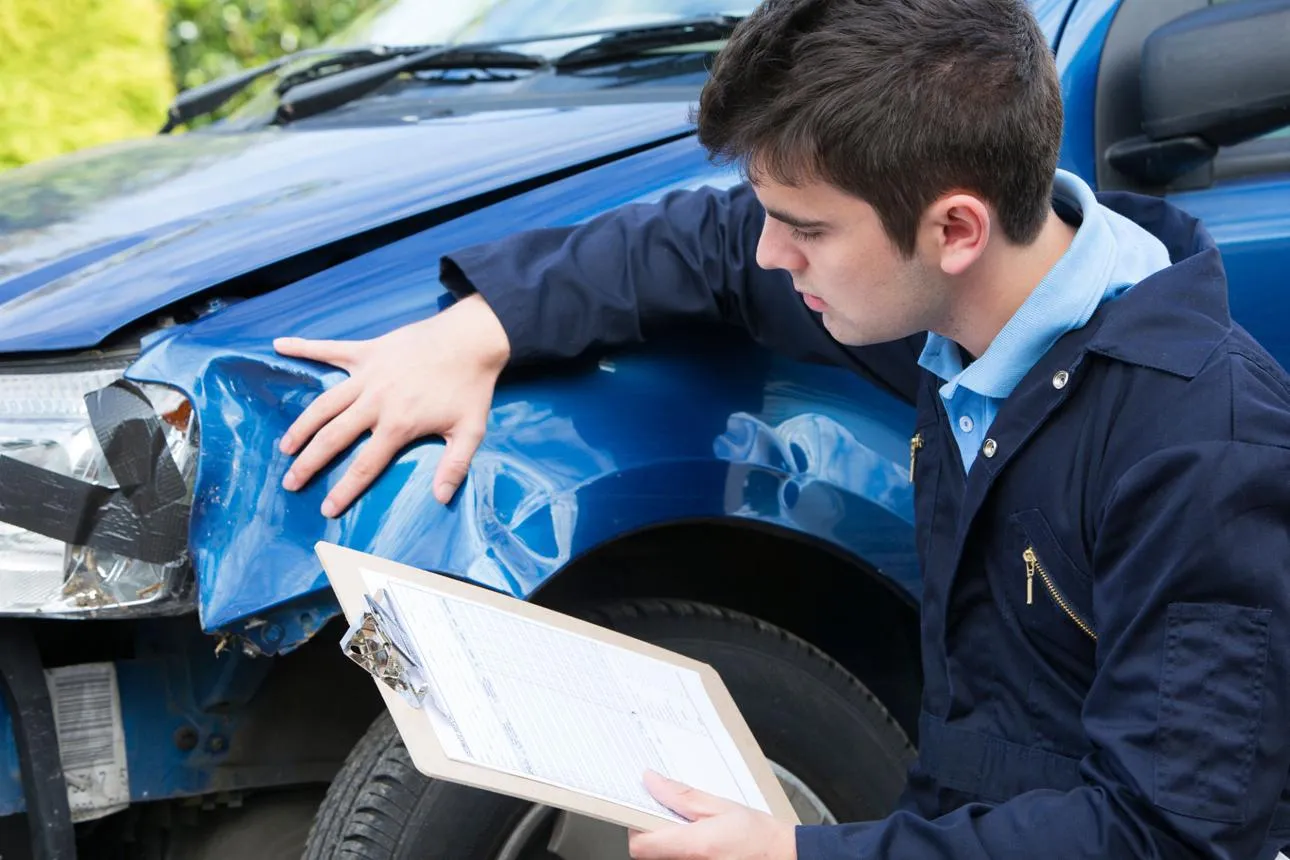
A specialist workshop can inspect damage, explain available methods, and identify when a conventional repair is more suitable.
This is particularly helpful when several vehicles have different defects.
Instead of arranging repairs based on photographs alone, the company can request an assessment and discuss the most appropriate treatment for each vehicle.
Clear estimates and realistic timelines also make it easier to plan around employee schedules.
A workshop that offers more than one repair method can provide flexibility when dealing with scratches, dents, paint defects, and wheel damage.
How LR Lackdesign Supports Smart Repair in Grevenbroich
For businesses and private motorists in Grevenbroich and nearby areas, LrLackdesign provides automotive bodywork, painting, and Smart Repair services.
The owner-operated workshop, led by Leonardo Rios Dieker, has been serving customers since 2022.
Its Smart Repair service is designed for small localized defects that do not require complete component painting or replacement.
The workshop offers several approaches depending on the damage.
Superficial scratches can be polished where appropriate, while deeper paint defects can receive targeted preparation and refinishing. Beilackierung helps create a smooth transition between new and existing paint.
Small dents without paint damage may be carefully removed without repainting. Alloy wheel refurbishment is also available for suitable kerb scratches, chips, and cosmetic marks.
Customers who want to Kleine Lackschäden per Smart Repair ausbessern can request an assessment of their vehicle’s condition.
LR Lackdesign emphasizes checking each defect before recommending a method. If the damage is too extensive or too deep, the workshop can advise on conventional repair or partial painting instead.
The workshop lists Smart Repair services from €300, with the exact price depending on the size and location of the damage. Customers can send photographs through WhatsApp to receive an initial assessment and a free indication of the likely cost.
Smaller repairs are often completed within one day, depending on the work involved.
The workshop serves customers from Grevenbroich, Jüchen, Rommerskirchen, Neuss, Bedburg, Korschenbroich, and Mönchengladbach.
Building a Practical Cosmetic Maintenance Routine
A business can manage minor vehicle damage more effectively by introducing a few straightforward habits.
First, employees should know how to report new scratches, dents, and wheel damage.
Second, fleet managers should keep photographs and basic condition records.
Third, vehicles should receive periodic visual inspections rather than waiting until the end of a lease or ownership period.
Finally, repair decisions should be based on professional advice and the vehicle’s expected use.
This approach helps businesses distinguish between defects that require attention and marks that can reasonably remain until a later maintenance appointment.
It also reduces the risk of leaving several small problems unresolved until a vehicle is due for sale or return.
Conclusion
Company vehicles are working assets, but their appearance still matters. Regular driving, crowded parking areas, and everyday contact can create scratches, dents, scuffs, and wheel damage.
Smart Repair provides a practical way to address suitable localized defects without automatically arranging extensive bodywork.
Polishing, localized painting, blending, paintless dent removal, and alloy wheel refurbishment each offer solutions for different cosmetic problems.
For businesses, the main advantages are the ability to assess minor damage individually, plan repairs around vehicle availability, and prepare cars for sale or lease return.
The correct method always depends on the condition of the damaged area. A professional inspection helps establish whether Smart Repair is suitable or whether a more comprehensive repair is needed.
Also read: Why Repairing Minor Paint Damage Can Make a Difference before selling
With a consistent inspection routine and support from an experienced workshop such as LR Lackdesign, businesses can maintain a more professional fleet appearance while making sensible decisions about everyday vehicle damage.