A Design Framework for Baby Product Brands: Launching High-Conversion Pinterest Shopping Pins with gpt image 2
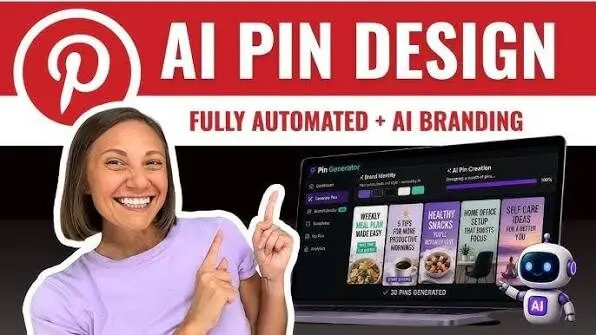
Imagine the high-pressure environment of a baby product brand preparing for a seasonal launch. Your new organic cotton baby swaddle is ready, but your Pinterest Shopping catalog campaign is stalled. The lifestyle photoshoot was delayed, the lighting failed to capture the soft pastel tones of the fabric, and your design team is buried under a backlog of resize requests. In the fast-paced world of social commerce, waiting weeks for raw assets means missing the peak of parent search volume. The challenge is not just generating pretty pictures; it is scaling high-conversion, brand-consistent assets under tight deadlines. This is where gpt image 2 changes the game. Unlike older image generators that produce distorted products and scrambled text, gpt image 2 offers the precise control, photorealism, and text rendering required for professional ecommerce marketing. By integrating gpt image 2 into your asset pipeline, you can bypass traditional studio bottlenecks and launch campaigns in days.
For baby product brands, visual assets must communicate safety, comfort, and premium quality instantly. Parents scrolling through Pinterest are looking for aesthetic inspiration, which means your Pins must blend seamlessly into curated nurseries while clearly highlighting product benefits. Utilizing this system allows marketing teams to generate high-fidelity lifestyle scenes that match these aspirations. This guide outlines a practical design framework for leveraging gpt image 2 to scale your Pinterest catalog, ensuring every generated pin meets strict brand guidelines and drives clicks.
The Pinterest Bottleneck for Baby Brands: Creative Fatigue
Posterity and catalog freshness dictate success on Pinterest, which operates more like a visual search engine than a standard social platform. For baby brands, this means static product listings on white backgrounds are rarely enough. To capture attention, you need lifestyle Pins that place your products—like silicone bibs or wooden toys—in realistic, warm settings. However, creating these visuals traditionally requires continuous photoshoots, prop sourcing, and model coordination. The sheer volume of creative variations needed for A/B testing on Pinterest Shopping leads to rapid creative fatigue and high production costs.
Furthermore, legacy AI models often fall short in this category. They struggle with the specific aesthetic constraints of baby products, frequently generating overly saturated colors, unnatural lighting, or distorted baby features that erode parental trust. Even worse, rendering readable text—like “100% Organic” or “BPA-Free”—on the image itself was nearly impossible, requiring hours of manual post-processing in Photoshop. With gpt image 2, these issues are systematically resolved. The model’s advanced reasoning capabilities allow it to plan layouts, maintain realistic textures, and render perfect typography, making it an essential tool for modern digital merchandising.
A Design Framework Powered by gpt image 2
To scale visual production without losing brand identity, brands need a structured approach. The framework relies on three pillars: scene composition, text integration, and rapid variation testing. Using Pikvee, designers can streamline this process by accessing gpt image 2 to generate and edit high-resolution assets in a single interface. The primary objective is to transition from manual asset creation to an AI-assisted workflow where the engine handles the heavy lifting of background generation and formatting.
One of the key advantages of gpt image 2 is its native support for flexible aspect ratios, particularly the 2:3 vertical ratio (1000×1500 pixels) preferred by Pinterest. Instead of generating square images and cropping them—which often cuts out vital product details—you can instruct the generator to compose the image vertically from the start. This ensures that the focal point, whether it is a baby swaddle or a silicone feeding set, is perfectly positioned to capture the scroll. By utilizing Pikvee to manage these generations, creative teams can maintain a central library of prompts and outputs, ensuring that the model produces consistent results across different product lines.
Step-by-Step Pinterest Catalog Workflow
Implementing gpt image 2 into your workflow requires a systematic approach. Below is the step-by-step process to generate high-performing Pinterest Shopping Pins.
Step 1: Defining the Visual Scene and Product Details
Start by defining the core product and the ambient environment. Baby products require soft, natural lighting and minimalist backgrounds to emphasize cleanliness and safety. When writing prompts for gpt image 2, avoid generic descriptions. Instead, specify materials, textures, and lighting styles.
Here is a practical prompt template designed for gpt image 2:
A high-resolution product shot of a pastel sage green silicone baby bib with a built-in food catcher pocket. The bib is placed on a light oak wooden high chair tray. In the soft-focus background, a bright, modern nursery with warm sunlight streaming through a window. Photorealistic, clean composition, 2:3 aspect ratio.
When you run this prompt, the model analyzes the structural relationship between the bib, the tray, and the nursery background. The model’s reasoning capabilities ensure that the shadows cast by the bib onto the wooden tray look natural, avoiding the floating effect common in lesser AI tools.
Step 2: Integrating Clear Text Overlays
Pinterest Pins with clear, concise text overlays perform significantly better than those without. Whether it is highlighting a product feature or adding a call-to-action, text is crucial. This is where gpt image 2 truly shines. The model features near-perfect text rendering, allowing you to embed copy directly into the generation phase.
For example, you can modify the previous prompt to include text:
A high-resolution product shot of a pastel sage green silicone baby bib. On the right side of the image, the text “100% Food-Grade Silicone” is written in a clean, modern sans-serif font, colored in soft charcoal gray. The background is a warm, sunlit nursery. 2:3 aspect ratio.
Because the system understands layout and spacing, it will place the text in a clear area of the image, ensuring it does not overlap with the product itself. Through Pikvee’s platform, you can quickly test different text variations to see which layout looks most balanced.
Step 3: Generating SKU Variations
Once you have a winning layout, you need to generate variations for different product colors (SKUs) and parent demographics. Instead of starting from scratch, you can use gpt image 2 for image-to-image editing. If you upload the original generation of the sage green bib, you can instruct the tool to change the color to blush pink or oat beige while keeping the nursery background identical. This level of consistency is critical for maintaining a cohesive brand presence on Pinterest Shopping.
Critical Quality Constraints for Baby Products
While gpt image 2 is highly capable, baby product marketing demands strict adherence to safety and aesthetic guidelines. Creative directors must implement specific quality controls when reviewing AI-generated outputs.
First, verify visual safety. The images generated by gpt image 2 must never depict unsafe sleep environments or hazardous toy placements. For instance, if you are generating visuals for a baby swaddle, ensure the swaddle is shown on a flat, firm mattress free of loose blankets or pillows, in line with pediatric safety standards. You can enforce this by including explicit negative constraints in your prompt instructions.
Second, maintain color fidelity. Parents expect the product they see on Pinterest to match what arrives in the mail. When prompting gpt image 2, use specific color descriptors rather than vague terms. Instead of asking for a “blue bib,” specify “dusty slate blue.” Pikvee allows teams to save these precise color profiles, making it easier to guide the generation toward accurate representations of physical inventory.
Comparing gpt image 2 with Legacy Workflows
To understand why gpt image 2 is a breakthrough for ecommerce operations, it is helpful to compare it to previous-generation models and traditional design pipelines.
| Metric | Traditional Photoshoot | Legacy AI (DALL-E 3) | gpt image 2 Workflow |
| Turnaround Time | 2–4 weeks | 1–2 days (high edit time) | Under 1 hour |
| Cost per Asset | $150 – $500 | $5 – $15 (due to manual fixes) | Less than $1 |
| Text Rendering | Manual design layer | Scrambled / Unusable | Near 99% Accuracy |
| Aspect Ratio Control | Camera crop | Square only (mostly) | Native 2:3, 16:9, etc. |
| Brand Consistency | High (controlled environment) | Low (unpredictable outputs) | High (via image-to-image) |
As shown in the table, the combination of Pikvee and gpt image 2 reduces both cost and time-to-market. The ability of gpt image 2 to handle text overlays natively eliminates the need for designers to manually add text layers in post-production, saving hours of repetitive work. Furthermore, the high resolution of gpt image 2 outputs means the assets are immediately ready for Pinterest’s high-definition display requirements.
Optimizing the Pin for Click-Through Rates
Generating the image is only half the battle; you must optimize it for Pinterest’s algorithm. When uploading your gpt image 2 assets to Pinterest Shopping, ensure your metadata matches the visual context. Use rich Pins that pull pricing and availability directly from your Shopify or WooCommerce store.
Additionally, use the text rendered by gpt image 2 to target specific search queries. If parents are searching for “easy-to-clean baby bibs,” having that exact phrase beautifully rendered on your Pin by gpt image 2 will dramatically improve relevance and click-through rates. Monitor performance metrics closely. If a particular colorway or text style performs well, use Pikvee to generate similar variations with gpt image 2, continuously refining your catalog based on real-time data.
Embracing the Future of Visual Merchandising
The shift toward AI-driven visual production is accelerating. For baby product brands, the ability to rapidly test and deploy high-quality visuals is a significant competitive advantage. By establishing a design framework around gpt image 2, you empower your marketing team to respond to trends instantly, refresh seasonal campaigns without budget constraints, and present your products in the best possible light. Start small by testing gpt image 2 on a single product line, refine your prompting strategy, and watch your Pinterest engagement grow.