
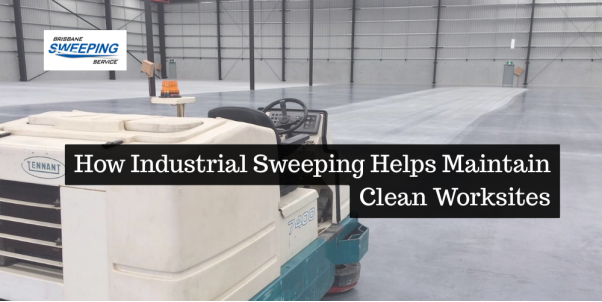
How Industrial Sweeping Helps Maintain Clean Worksites
Welcome to our guide on industrial sweeping for worksites.
Our team at www.brisbanesweeping.com.au has spent years cleaning commercial warehouses, car parks, and hardstands across South East Queensland. We’ve seen what happens when sites don’t get swept regularly, and we know what it takes to keep floors clean, safe, and presentable.
In this guide, we’ll cover:
- What industrial sweeping removes from worksites
- Where it makes the biggest impact
- How often should your site be swept
- What to expect from a professional service
Read on to learn how industrial sweeping keeps your worksite in top shape.
What Does Industrial Sweeping Remove From Worksites?
Industrial sweeping removes dust, debris, grit, and loose materials from concrete floors, hardstands, and car parks. It’s the fastest way to clear a site without hosing everything down or sending staff around with brooms.

The main materials we remove are:
- Dust and Fine Particles: Vacuum sweepers capture fine dust before it settles on your equipment or stock. You can’t see that stuff until it’s coating everything.
- Loose Debris and Packaging Scraps: Cardboard, plastic wrap, and timber offcuts pile up fast in busy warehouses. If you leave it too long, it’s likely to end up scattered across the floor (especially around packing stations and dispatch zones).
- Gravel, Sand, and Grit: Vehicles and foot traffic bring this material in from outside. They grind into your concrete over time and wear down the surface unless you clear them quickly.
- Leaves and Outdoor Buildup: In hardstands and outdoor areas, leaves, dirt, and tyre residue build up quickly and can easily get blown back inside if left. That means you have to deal with extra cleaning inside, which increases the risk of contamination around your stock and work areas.
In our experience, sites that clear accumulated filth and debris early avoid costly problems over time.
Where Does Industrial Sweeping Make the Biggest Impact?
Industrial sweeping makes the biggest impact in warehouses, car parks, hardstands, and external areas where dust and debris accumulate the fastest. These areas see constant traffic, so dirt and loose materials collect every day. It spreads across the site easily without regular sweeping.

Let’s take a closer look at the places where industrial sweeping services are necessary.
Warehouses and Distribution Centres
Unfortunately, junk builds up in a busy warehouse more quickly than in most other places. Forklifts and foot traffic spread it across the floor, and before long, it’s settling on stock and getting into everything.
Specifically, dust and grit get into moving parts, and over time, they create friction that wears your machinery down. But regular sweeping can keep your aisles clear and protect your goods from dirt buildup. It also reduces the overall wear on equipment.
Car Parks and Basement Levels
One of the benefits of clean car parks is that they leave a strong first impression on tenants and visitors by creating a pleasant environment. Vehicles bring in gravel, leaves, and dirt, which build up quickly.
To keep these areas presentable, body corporates rely on sweeping to manage the buildup and control dust. In particular, basement levels are harder to manage because limited airflow lets dust settle, so they need more frequent cleaning than open-air parks.
Hardstands and Outdoor Yards
Outdoor hardstands collect more debris than most indoor areas. Mostly because exposed concrete takes on sand, loose materials, and whatever blows in during site operations.
Fortunately, industrial sweeping clears these surfaces faster than manual methods. It also prevents damage, because grit under heavy machinery gets pressed into the concrete every time it moves. So if you leave these areas unattended, you’ll have to deal with surface wear and costly repairs.
Important tip: Outdoor cleaning frequency should increase during dry and windy conditions.
Driveways and External Areas
Your external areas need regular attention to stay presentable. Why? Well, driveways naturally accumulate concrete powder, tyre residue, and leaf litter, especially on sites with constant vehicle movement (it tends to collect rubbish unevenly across the surface).
Sweeping keeps these zones looking sharp for clients and visitors, plus stops debris from travelling inside. It’s important to handle these external areas regularly because one windy day is all it takes for all that dirt to end up on your warehouse floor or tracked into office spaces.
How Often Should Your Site Be Swept?
Your site should be swept weekly, fortnightly, or monthly, depending on traffic levels and debris buildup. Since there’s no one-size-fits-all answer here, it comes down to how much activity your site gets and how fast the dust and debris gather.
Here’s a rough guide to help you work it out:
- High-Traffic Zones: Weekly or twice-weekly sweeping works well for busy forklift lanes and main entry points. These areas handle the most traffic, which is why dirt builds up faster and becomes noticeable sooner.
- Moderate-Use Areas: A fortnightly cleaning schedule is appropriate for sections with regular but lighter activity. For example, it should be enough for secondary aisles or overflow storage bays that don’t see constant movement.
- Low-Activity Storage Zones: Monthly sweeping handles areas with minimal foot or vehicle traffic. For instance, a warehouse with racked goods sitting untouched for weeks won’t need the same attention as a loading bay.
- One-Off or Annual Cleans: A one-off sweep after large deliveries or stocktakes clears excess debris quickly. This approach suits sites that don’t need regular servicing but still want a proper clean when things build up.
Pro tip: Start with a higher frequency, then scale back once you see how quickly buildup returns.
What Should You Expect From a Professional Sweeping Service?
You should expect an on-site assessment, flexible scheduling, industrial-grade equipment, and thorough cleaning of hard-to-reach areas from a good sweeping crew. Instead of simply arriving on site and pushing machines, they’ll assess your site first and figure out what your business actually needs. They then build a schedule around how your operation runs.
We’ll explain these practices in more detail below.
On-Site Assessment and Customised Scheduling
A customised schedule lets you book cleaning at times that suit your operation and not the contractor. The team will assess your site and recommend a frequency based on traffic levels and how quickly debris builds up (your priorities stay front and centre).
You can choose weekly, fortnightly, monthly, or even one-off cleaning, depending on what you need. The work is then planned around your hours, so it doesn’t get in the way of your busiest periods.
Access to Industrial-Grade Sweeping Equipment
Professional crews use the right equipment to deliver effective cleaning solutions for each area. For example, large rider sweepers handle open warehouse floors quickly, while smaller machines reach tight spaces under racking and along narrow aisles where bigger units can’t fit.
Not only that, but most operators carry battery, diesel, and LPG machines as well. So if your site has ventilation restrictions or noise concerns, there’s always an option that works.
Off-Machine Cleaning for Hard-to-Reach Spots
The thing is, machines can’t reach every area, and a good crew plans for that. Dust and debris collect along walls, in corners, and around bollards where sweepers can’t get in.
To cover these spots, operators use hand brooms and air blowers, and they also clean under pallet racking. Their goal is to clear your entire site rather than just the areas that are easy to access.
Site insight: The best crews adjust their method based on how your site changes over time.
Keep Your Worksite Clean With Regular Cleaning Services
A clean worksite takes consistent effort. Dust, debris, and grit build up quickly, and if you leave it too long, it becomes harder to control. Regular sweeping keeps floors safer, helps protect your equipment, and presents your site better to anyone who comes through.
If you’re running a warehouse, car park, or industrial facility in South East Queensland, Brisbane Sweeping can help. We service Brisbane, Gold Coast, Sunshine Coast, Ipswich, Logan, and surrounding areas.
Give us a call on 0423 585 333 for an obligation-free quote, and we’ll put together a schedule that works for your operation.