
When the Past Fled: Lessons About Change, Perspective, and Moving Forward
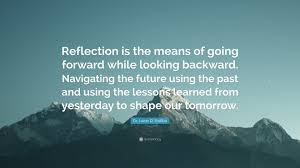
Life rarely stands still. Time moves forward, and moments that once felt important slowly disappear. In many ways, our past has already fled, leaving only memories behind.
This idea can feel strange at first. People often wish they could return to earlier days. Yet the truth is simple: yesterday has already fled, and the person we were then no longer exists in exactly the same form.
However, this isn’t something to fear. Instead, it reminds us that growth is constant. Each new experience changes how we think and how we see the world.
It’s no use going back to yesterday, because I was a different person then. The man in black fled across the desert, and the gunslinger followed. You never really understand a person until you consider things from his point of view.
Moreover, understanding others becomes easier when we consider their perspective. Every person carries unique experiences, beliefs, and struggles.
Therefore, learning to accept change, respect different viewpoints, and move forward confidently becomes an essential part of living a meaningful life.
Why We Cannot Return to Yesterday
Many people think about the past with nostalgia. They remember moments that felt simpler, happier, or more certain.
Yet going back to yesterday isn’t truly possible. Even if the circumstances remained the same, we wouldn’t be the same person. Our thoughts, knowledge, and emotions have already evolved.
This reality explains why the past often feels distant. Time has moved forward, and those earlier versions of ourselves have quietly fled into history.
However, that doesn’t make the past useless. Memories still carry valuable lessons. They show us how we have changed and what we have learned.
Furthermore, reflecting on the past helps people make wiser decisions in the future. By examining earlier mistakes or successes, individuals gain deeper insight into their behaviour.
Therefore, instead of trying to return to yesterday, people benefit more from understanding how yesterday shaped who they are today.
The Meaning Behind the Man Who Fled Across the Desert
Stories often reveal powerful ideas through simple images. One famous line describes a mysterious man who fled across the desert while another figure followed him.
This image represents more than a physical journey. It symbolises pursuit, determination, and the human search for meaning.
The desert, for instance, represents uncertainty. It is wide, empty, and difficult to cross. Yet the pursuit continues despite the harsh environment.
Meanwhile, the man who fled symbolises escape. Sometimes people run from responsibilities, past mistakes, or difficult truths.
However, the figure who follows represents persistence. Certain questions or goals refuse to disappear, no matter how far someone runs.
This story reminds us that challenges often chase us until we face them directly.
In other words, running away may offer temporary relief. Yet eventually the need for understanding catches up.
Why Perspective Changes Everything
Understanding another person requires more than quick judgement. True empathy begins when people pause and consider different viewpoints.
For example, someone’s actions may seem confusing or unfair at first. However, the situation often looks different once their experiences are considered.
This shift in thinking encourages compassion. Instead of reacting with frustration, individuals begin asking thoughtful questions.
Moreover, perspective expands knowledge. When people listen carefully to others, they discover ideas they might never have imagined.
Interestingly, conflicts often disappear when understanding replaces assumptions. Misunderstandings that once seemed serious begin to fade.
Just as time moves forward and yesterday has fled, rigid opinions can also disappear once new insights appear.
Therefore, learning to see situations from multiple perspectives strengthens relationships and improves communication.
How Change Shapes Who We Become
Change can feel uncomfortable. People naturally prefer stability and routine.
However, growth rarely happens without change. New experiences challenge old habits and push individuals beyond familiar boundaries.
For example, starting a new job, moving to a different city, or meeting new people often transforms the way someone thinks.
Over time, earlier fears begin to fade. The worries that once seemed overwhelming slowly lose their power.
Eventually, individuals realise that their earlier doubts have already fled, replaced by confidence and experience.
Additionally, change encourages creativity. When people face new situations, they discover fresh solutions and ideas.
Because of this, embracing change allows individuals to continue developing throughout life.
Letting Go of What Has Already Fled
Holding onto the past can sometimes prevent progress. Regret, disappointment, or nostalgia may keep people focused on what once existed.
However, the past has already fled, and no amount of reflection can bring it back.
This doesn’t mean memories should disappear. Instead, they can become valuable reminders of how far someone has travelled.
For instance, many successful individuals look back at earlier failures with gratitude. Those difficult moments often taught lessons that shaped future achievements.
Similarly, relationships may evolve or end over time. Although these changes can feel painful, they also open new possibilities.
Learning to let go allows people to focus on the present moment. From there, they can begin building a stronger future.
The Power of Pursuit in Life
While some things run away, others deserve pursuit. Goals, dreams, and knowledge often require dedication and persistence.
Just like the story where someone fled across the desert, meaningful achievements sometimes involve long journeys.
However, persistence makes the difference. Individuals who remain committed eventually move closer to their goals.
Additionally, pursuing something meaningful provides motivation. It gives direction to daily actions and long-term planning.
Challenges will always appear along the way. Yet determination helps people continue even during difficult periods.
Over time, the distance between effort and success gradually becomes smaller.
Therefore, pursuit represents hope. It reminds people that progress is possible with patience and focus.
Learning Empathy Through Perspective
Empathy grows when people attempt to understand another person’s viewpoint.
Instead of judging quickly, thoughtful individuals take time to imagine the experiences behind someone’s actions.
This habit improves communication significantly. Conversations become more respectful, and disagreements become easier to resolve.
Furthermore, empathy strengthens communities. When people recognise shared struggles and goals, cooperation becomes natural.
Interestingly, empathy also improves self-awareness. By examining different viewpoints, individuals discover new aspects of their own thinking.
Gradually, rigid opinions soften. Old misunderstandings begin to fade, just like memories that have quietly fled with time.
As a result, empathy becomes a powerful tool for building trust and connection.
FAQ 1: What does the word fled mean in everyday language?
The word fled means running away quickly from a place or situation. It is the past tense of the verb “flee”.
FAQ 2: Why do people say the past has fled?
People say the past has fled to describe how time moves forward. Once a moment passes, it cannot return exactly as it was.
FAQ 3: What can we learn from stories where someone fled?
Stories where someone fled often symbolise escape, fear, or pursuit. They remind us that challenges sometimes follow us until we face them.
FAQ 4: Why is perspective important in understanding others?
Perspective helps people understand experiences beyond their own. When individuals consider another viewpoint, they develop empathy and stronger relationships.
Final Thoughts: Moving Forward After the Past Has Fled
Life constantly moves forward. Moments pass quickly, and yesterday eventually becomes a distant memory.
The past has already fled, and with it the version of ourselves that once existed. However, this reality offers an important opportunity.
Instead of wishing for yesterday, people can focus on growth today. Each experience adds new understanding and strength.
Moreover, perspective helps individuals see the world more clearly. When people consider different viewpoints, empathy replaces judgement.
Challenges will continue to appear. Yet determination, patience, and curiosity make those challenges easier to face.
Ultimately, life becomes richer when we accept change and continue moving forward.
After all, the past may have fled, but the future remains open for discovery.