
6 Smart Ways to Keep Your Heating and Cooling System Running Efficiently Year Round
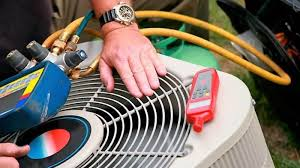
Keeping your home comfortable throughout the year depends largely on how efficiently your heating and cooling system performs. From scorching summers to chilly winters, your HVAC system works continuously to maintain the ideal indoor temperature. However, without proper care and smart usage, even the most advanced systems can lose efficiency over time. This not only increases your energy bills but also shortens the lifespan of your equipment.
Many homeowners underestimate the importance of regular maintenance and simple efficiency practices. Small habits, such as changing filters or sealing air leaks, can make a significant difference in overall system performance. By adopting a proactive approach, you can prevent unexpected breakdowns, reduce repair costs, and ensure consistent comfort in every season.
In this article, we will explore six smart and practical ways to keep your heating and cooling system running efficiently year round. These strategies are easy to implement and can help you maximize energy savings while maintaining a comfortable and healthy living environment for you and your family.
1. Schedule Regular Professional Maintenance
Routine maintenance is essential for keeping your heating and cooling system in top condition. Professional inspections help detect minor issues before they become major and costly problems. During a maintenance visit, technicians clean internal components, check system controls, inspect wiring, and ensure all parts are functioning correctly.
It’s recommended to schedule maintenance at least twice a year once before the cooling season and once before the heating season. This ensures your system is ready to handle extreme temperatures without unnecessary strain. Regular servicing also improves efficiency by keeping airflow unobstructed and components running smoothly.
Neglecting maintenance can lead to reduced performance, higher energy consumption, and unexpected breakdowns. By investing in professional care, you not only extend the life of your system but also maintain a consistent level of comfort throughout your home.
2. Replace or Clean Air Filters Frequently
Air filters are one of the simplest yet most important components of your HVAC system. They trap dust, allergens, and debris, preventing them from circulating throughout your home. However, when filters become clogged, airflow is restricted, forcing your system to work harder and consume more energy.
Replacing or cleaning filters every one to three months can significantly improve system efficiency. Clean filters allow air to flow freely, reducing strain on the system and improving indoor air quality. This is especially important for households with pets, allergies, or high dust levels.
Many homeowners rely on trusted service providers like Nespolo Mechanical when seeking expert advice on maintaining HVAC efficiency, as professionals can recommend the best filter types and replacement schedules based on your specific system and environment. Keeping filters clean is a small step that delivers big results in performance and energy savings.
3. Seal Air Leaks and Insulate Properly
Air leaks in your home can significantly reduce the efficiency of your heating and cooling system. Gaps around windows, doors, ducts, and insulation allow conditioned air to escape, forcing your HVAC system to work harder to maintain the desired temperature. This results in increased energy usage and higher utility bills.
Sealing these leaks with weatherstripping or caulking is a cost-effective way to improve efficiency. Additionally, proper insulation in walls, attics, and crawl spaces helps retain indoor temperatures, reducing the workload on your system.
Ductwork should also be inspected for leaks or damage, as this can lead to significant energy loss. By addressing these issues, you can create a more energy-efficient home environment. Improved insulation and sealing not only enhance comfort but also extend the lifespan of your HVAC system by reducing unnecessary strain.
4. Use a Programmable or Smart Thermostat
Upgrading to a programmable or smart thermostat is a smart investment for improving HVAC efficiency. These devices allow you to set temperature schedules based on your daily routine, ensuring your system only works when needed. For example, you can reduce heating or cooling when you’re away from home and have it return to a comfortable setting before you arrive.
Smart thermostats take this a step further by learning your habits and automatically adjusting settings for optimal efficiency. Many models can be controlled remotely through mobile apps, giving you full control over your home’s temperature from anywhere.
By reducing unnecessary operation, these thermostats help lower energy consumption and extend the lifespan of your system. They also provide insights into energy usage, helping you make informed decisions about your heating and cooling habits for better efficiency.
read more : https://zyranames.com/
5. Keep Outdoor Units Clean and Clear
The outdoor unit of your HVAC system plays a vital role in heat exchange, and keeping it clean is essential for efficient operation. Over time, dirt, leaves, and debris can accumulate around the unit, restricting airflow and reducing performance.
Regularly inspect the area around your outdoor unit and remove any obstructions. Trim nearby plants and ensure there is at least two feet of clearance on all sides. Cleaning the unit’s coils and fins also helps maintain proper airflow and heat transfer.
A dirty or blocked outdoor unit forces your system to work harder, leading to increased energy consumption and potential damage. By keeping the unit clean and well-maintained, you ensure optimal performance and reduce the risk of costly repairs. This simple practice can significantly improve the overall efficiency of your heating and cooling system.
6. Avoid Overworking Your System
Overworking your HVAC system can lead to unnecessary wear and tear, reducing its efficiency and lifespan. Simple habits, such as setting extreme temperatures or constantly adjusting the thermostat, can put additional strain on your system.
Instead, aim for moderate and consistent temperature settings that provide comfort without overburdening the system. Using ceiling fans can also help distribute air more effectively, reducing the need for excessive heating or cooling.
Additionally, ensure that vents and registers are not blocked by furniture or other objects, as this can restrict airflow and force the system to work harder. By adopting these habits, you can maintain a balanced workload for your HVAC system. This not only improves efficiency but also minimizes the risk of breakdowns and extends the life of your equipment.
Frequently Asked Questions (FAQs)
1. How often should I service my HVAC system?
You should service your HVAC system at least twice a year—once before summer and once before winter—to ensure optimal performance and prevent unexpected issues.
2. What happens if I don’t change my air filters regularly?
Dirty filters restrict airflow, reduce efficiency, increase energy bills, and can even cause system damage over time.
3. Are smart thermostats worth the investment?
Yes, smart thermostats help reduce energy consumption, improve comfort, and provide better control over your heating and cooling system.
4. How can I tell if my home has air leaks?
Common signs include uneven temperatures, drafts near windows or doors, and higher-than-usual energy bills.
5. Can outdoor unit maintenance really improve efficiency?
Absolutely. Keeping the outdoor unit clean and free of debris ensures proper airflow and heat exchange, which improves overall system performance.
Conclusion
Keeping your heating and cooling system running efficiently year round doesn’t require complicated steps just consistent care and smart practices. From scheduling regular maintenance to using modern thermostats and maintaining clean filters, each step plays a vital role in improving performance and reducing energy costs.
By implementing these six smart strategies, you can extend the lifespan of your HVAC system, avoid costly repairs, and enjoy a comfortable indoor environment in every season. Small efforts today can lead to significant savings and long-term benefits, making your home more energy-efficient and comfortable all year long.